


D2R Items Trading Guide
26.06.2026 - 09:08:55
Diablo 4 , Game Guides , Items
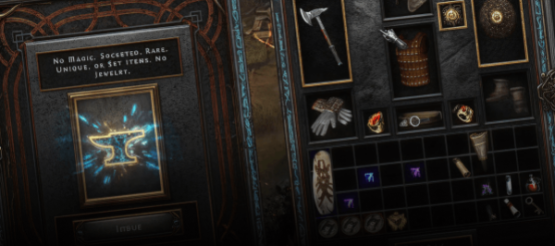

D2R trading is mostly driven by rune value, ladder timing, item rarity, build demand, and roll quality. In the current ladder season, prices can move quickly, so use this guide to understand value factors before checking live listings
Latest version note - Season 14
Reign of the Warlock added new items, sets, runewords, and class demand to the economy. Exact values still change quickly, so verify live prices before high-value trades.
How D2R Trading Works
The process of trading items in Diablo II: Resurrected is the same as it was prior to the release of the Reign of the Warlock DLC. Here are the step-by-step instructions:
- Log in to D2R and create a game in the lobby. Make sure to put the item that you want to trade for in the title.
- When a person has the item that you want, they may join your lobby to engage with the trade.
- Once they are in your game, chat with them so that both of you can agree on the terms (e.g., what item they want in exchange).
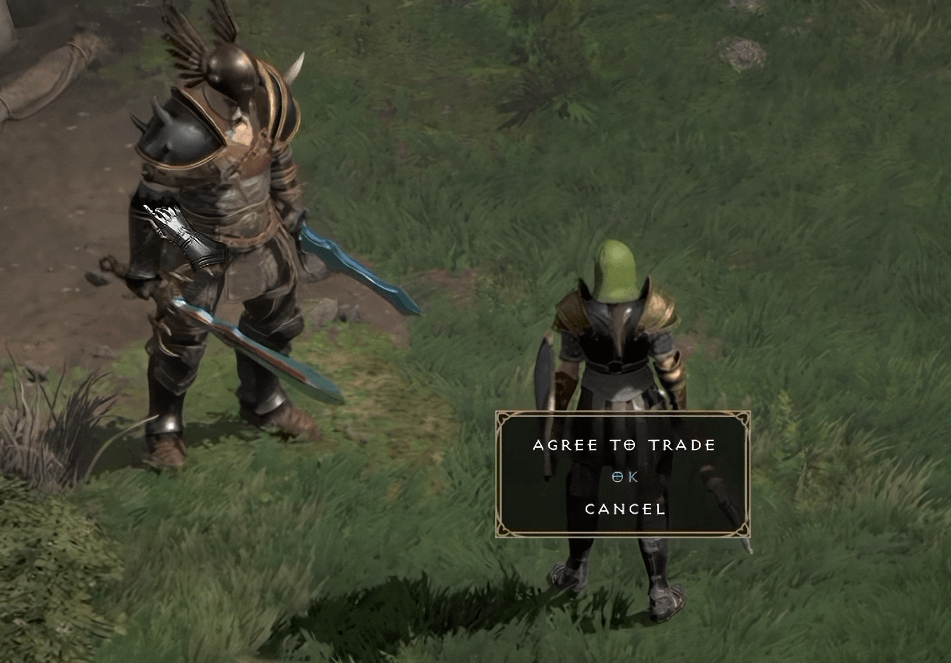
- After that, they will go near you to trade. Go ahead and press “OK” when the prompt appears.
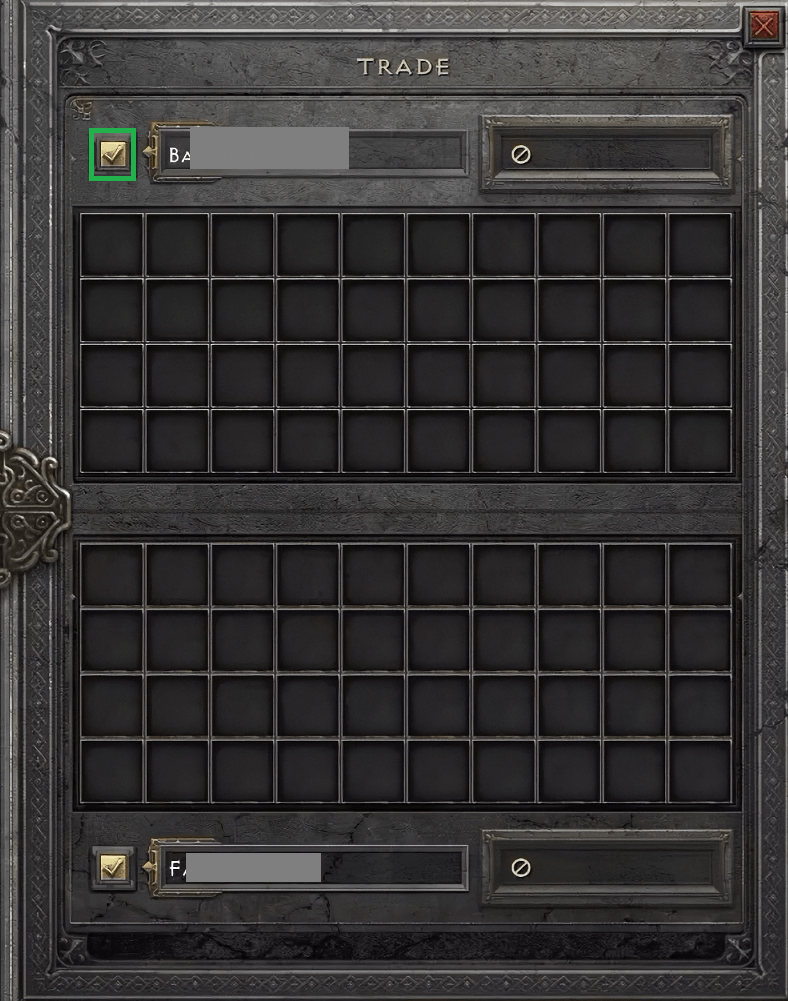
- From there, a window for you and the trader will appear on the screen. Place the item that they want as payment on your side of the window.
- Before you complete the transaction, pay close attention to the item on their side of the trade UI. Ensure that it is actually the item you are looking for, and not something else.
- Once you have confirmed that the right item is in place, press the small check icon just right beside your name and then wait. After the trade has confirmed things on their end, the trade is now complete.
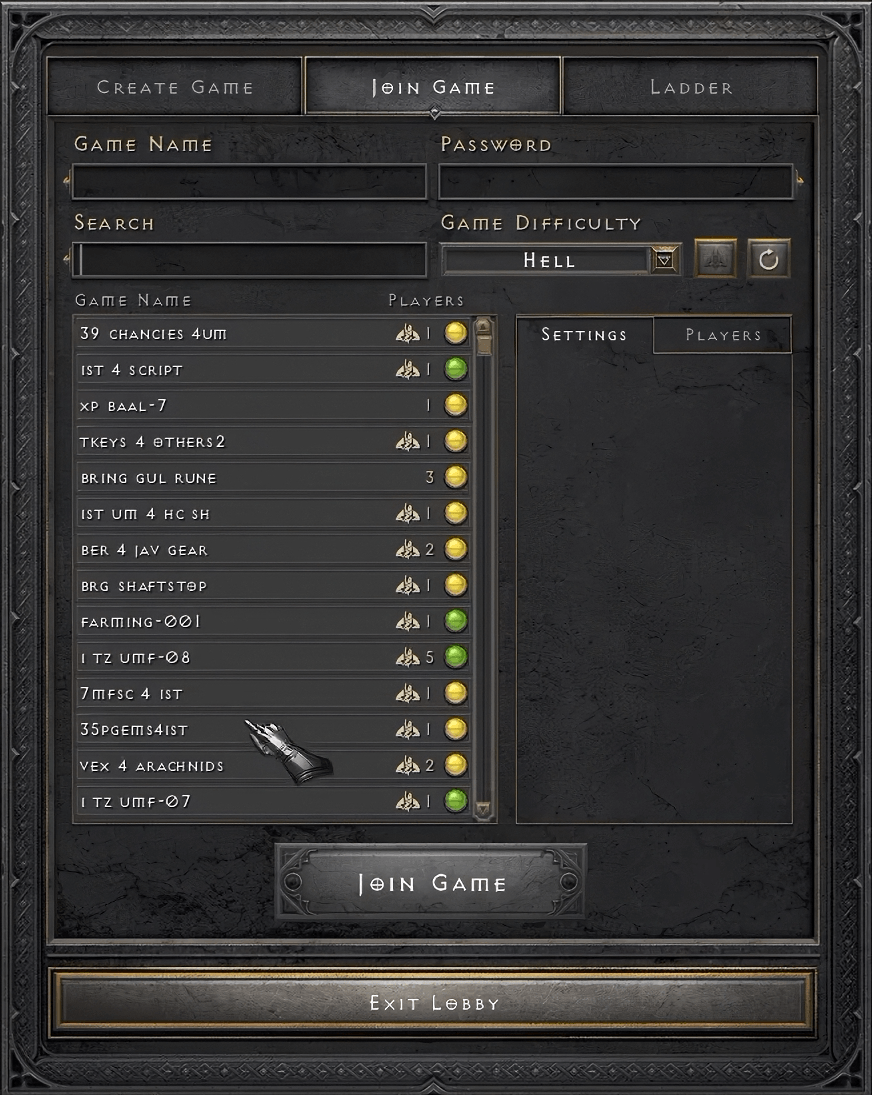
Instead of creating a game in the multiplayer lobby in D2R, you can also go to third-party trading websites. The difference here is that you can search for the item that you want, and you will be given a number of players who have it on offer. You simply choose whoever has the most affordable price, chat with them (either within the platform or in the game), and then initiate the trade.
We do the same thing here in RPGStash. Simply go to our D2R Store, find the piece of gear or rune that you need, and then one of our helpful staff members will accommodate you shortly, running you through all of the things that you should do to complete the transaction.
D2R Ladder vs. Non-Ladder Trading—What’s the Difference?
The “Ladder” in Diablo II: Resurrected refers to a realm that is only active for three to four months. Blizzard creates this particular realm for players to have a fresh economy every several months.
On the other hand, the “Non-Ladder” is the opposite of that, in the sense that the realm stays indefinitely. Items in Non-Ladder may be a bit more expensive than their Ladder counterparts because of the lack of a reset. Besides that, there are things that you cannot trade in Non-Ladder and vice versa.
When creating a lobby or browsing on trading platforms, make sure that you choose the specific realm that your character is in. You might find a good deal and initiate a trade, only to find that it was actually from a person in Ladder rather than Non-Ladder.
Why Item Rolls Matter in D2R Trading
Items in Diablo II: Resurrected, especially uniques and runewords, come with a set of pre-determined affixes. While that is the case, not all items are the same, in the sense that one item might have higher rolls than the other.
A good example of this is Spirit—the popular shield runeword of choice by many caster builds in D2R. People often trade for Spirit Monarchs with a perfect 35% Faster Cast Rate (FCR) roll. Anything lower than that is most likely going to be more affordable.
That is why it is important to set your expectations. If you want to trade for an item with the perfect rolls, expect that thing to be priced significantly higher than others with mediocre values.
Early Ladder Prices—Why They Are So Volatile
Remember that a single Ladder Season for D2R typically lasts three to four months. After that time has elapsed, Blizzard will create another Ladder Season so that players can have a fresh start.
Having a realm that only lasts for a limited time can greatly influence the price of items in Diablo II: Resurrected. If you want to rush through the endgame to sell items to other players, you have to keep in mind that the first week of a new ladder season is the most crucial. This is because items within this period are often at their highest value, and their prices start to decline from that point onward due to stiff competition.
Most items then become so affordable that people either just give them away or trade them for a very low price. So, if you want to maximize your profits, then make sure to engage with D2R trading in the first week of a new ladder season.
The only exception to that is if you are trading for highly valuable items, such as Jah and Ber Runes, as well as expensive runewords like Breath of the Dying and Enigma.
Main Trading Currencies in D2R
Do you want to trade in Diablo II: Resurrected? If so, here are the items that you can use as currency:
| Currency | Why It Matters | Notes |
| Ist Rune | Considered the “gold standard” currency for D2R trading | The Ist Rune is the most widely accepted currency for trading in D2R. |
| Low-Mid Runes | For obtaining budget gear from other players. | Some commonly traded low-to-mid runes include Pul, Um, and Mal. |
| Perfect Gems | For acquiring Ist Runes | Perfect Gems are used in many Horadric Cube recipes in D2R. Hence, you can use them to trade for Ist Runes and get yourself a good item. |
| High Runes | Main currency used for acquiring endgame gear through trade | Jah and Ber Runes are the most liquid high runes in D2R. These are two runes that are needed to create Enigma, which is one of the most popular runewords in the game. |
| Uber Keys | Can be traded for Ist Runes | The Key of Hate, Key of Terror, and Key of Destruction are quite tradable. Oftentimes, people trade all three Uber Keys at the same time for an Ist Rune, though their value may change during the course of the season. |
| Runeword Bases | Great for early-Ladder trading | Some players like to receive good bases for runewords in the first few days of a ladder season. Good runeword bases include a Monarch Shield (Spirit), 4os Polearm (Insight), and Dusk Shroud (Stealth). |
How to Check Item Value in D2R
So, you now want to engage in D2R trading, but how exactly do you know if the item that you have is something that you can use for trade? Here are the things that you should examine:
- Good Bases: A Monarch Shield with four open sockets (4os) is always highly tradable in D2R because it is used to create the Spirit Runeword. The same thing applies to other awesome runeword bases.
- Build Viability: Check out D2R Tier Lists to find out which builds are the best for the current ladder season. The gear pieces used by the top builds are typically of high value in the trade market.
- Perfect/Low Rolls: A well-rolled item (or things that have perfect values on each affix) is a good currency for trading, especially for more expensive gear.
- Item Demand: When Reign of the Warlock was released, the Hellfire Torch for Warlocks was in great demand, which drove its price sky high. Browse through the forums to see which build or class is popular. This is to help you assess if what you have is something that can be traded for a high price or not.
- Ethereal Items: Some players snipe for good ethereal bases that they can use for their own builds and mercenaries. For instance, since the Act 2 Mercenary is the most popular, save ethereal Polearms like the Thresher/Giant Thresher.
Best Items to Trade in D2R
If you want more specific examples, here is a list of the best items to trade in D2R:
Early Ladder
- Monarch Shield: A 4os Monarch Shield is always highly tradable because it is used as the base for the Spirit Runeword, which requires the Tal, Thul, Ort, and Amn Runes to be inserted in that specific order.
- Thresher/Giant Thresher: These are solid weapon bases for the Act 2 Mercenary. Because the vast majority of players hire this particular mercenary, acquiring the Thresher or Giant Thresher early on will give you the currency you need to trade for better items as the ladder season progresses.
- Crystal Sword/Flail: These weapons are a good base for the Call to Arms Runeword, which requires the Amn, Ral, Mal, Ist, and Ohm Runes. Call to Arms is mainly used for pre-buffing characters in Diablo II: Resurrected.
Endgame Ladder
- Mage Plate/Archon Plate: The Mage Plate is a solid base for 3-socketed runewords (most notably Enigma). The Archon Plate can roll up to four sockets, making it a suitable base for other endgame runewords, including Fortitude and Chains of Honor.
- Ethereal Thresher: This weapon is used primarily to fit the runes for Infinity (Ber, Mal, Ber, and Ist). The Ethereal Thresher, you could say, is the ideal endgame weapon for the Act 2 Mercenary; thus, its trade value is high in the latter parts of the ladder season.
- Ber/Jah/Sur/Lo/Ohm: These are high runes that are often in great demand in D2R, particularly after a couple of weeks into the ladder season. These runes can be used as currency to trade for endgame gear.
- Hellfire Torch: Look for the best builds in the current D2R season to find out which class is outperforming the others. Then, farm Hellfire Torch and hope to get a version that is meant for that particular class.
Safe Trading Tips in D2R
- Double-Check Items Before Closing the Deal: Pay close attention to the item/s that the trader has placed on their side of the trading UI. Make sure that it is the exact item that you are looking for.
- Watch Out for Item Swaps: Although Blizzard has put a measure in place, where items that get swapped from the trade window have a short cooldown before you can click OK, it is still good practice to confirm if it’s the correct item or not.
- Use Reputable Trading Channels: If you want to use third-party platforms, do your due diligence and find out if that particular trading platform has good reviews. Avoid platforms that have negative ratings like the plague.
Common Trading Mistakes to Avoid in D2R
- Selling Too Early: Always check the value of the item that you have before you use it as trading currency. You might get a bad deal if you’re not careful.
- Not Treating Ladder Timing as Important: The first week of a new ladder season is the most crucial, since items are scarce during this period, making them more valuable. Their price dwindles after the first week and will decline even further as the season progresses. Not capitalizing on this is a bad idea.
- Engaging in “Drop Trading”: Never engage with players who offer trades via dropping items on the ground. Otherwise, you run the risk of getting an incorrect item (or worse, a mediocre item that has no trade value in return).
- Overpaying for Items: You have to know the value of the item that you want to trade for. Do not overpay for things that are considered budget gear.
FAQ
What is the Main Currency for Trading in D2R?
The Ist Rune is the most fluid tradable currency in Diablo II: Resurrected. High runes, like Ber, Jah, and Sur, become more prominent in the latter parts of the ladder season.
How Do I Know if an Item is Valuable or Not?
Check whether the item has perfect rolls or not. Perfect rolls have significantly higher trade value than the mediocre ones. Besides that, check out the most popular builds in the current season. The items that the best builds use are also highly tradable.
Should I Trade Early in a Ladder Season?
If you want to get the maximum value, then yes. The first week of a new ladder season is the most crucial, since the vast majority of players still don’t have access to the most expensive gear.
After week one, the price of most items starts to decline, especially since the community is likely to have caught up with the demands of the trade market.