


Safe Diablo 4 Gold Buying in 2025
01.12.2025 - 04:10:58
Diablo 4 , Game Guides


Diablo 4 is an amazing entry in the long running RPG franchise but we have to admit, the game does get grindy at times and it can be difficult to stay ahead if you're busy.
The problem now is that grinding in the game can take a while. You're not just fighting tough enemies, tougher bosses, and wild mechanics. You're also fighting the game's RNG system which makes it very hard to get the specific items you need when you're just about to finish that dream build of yours.
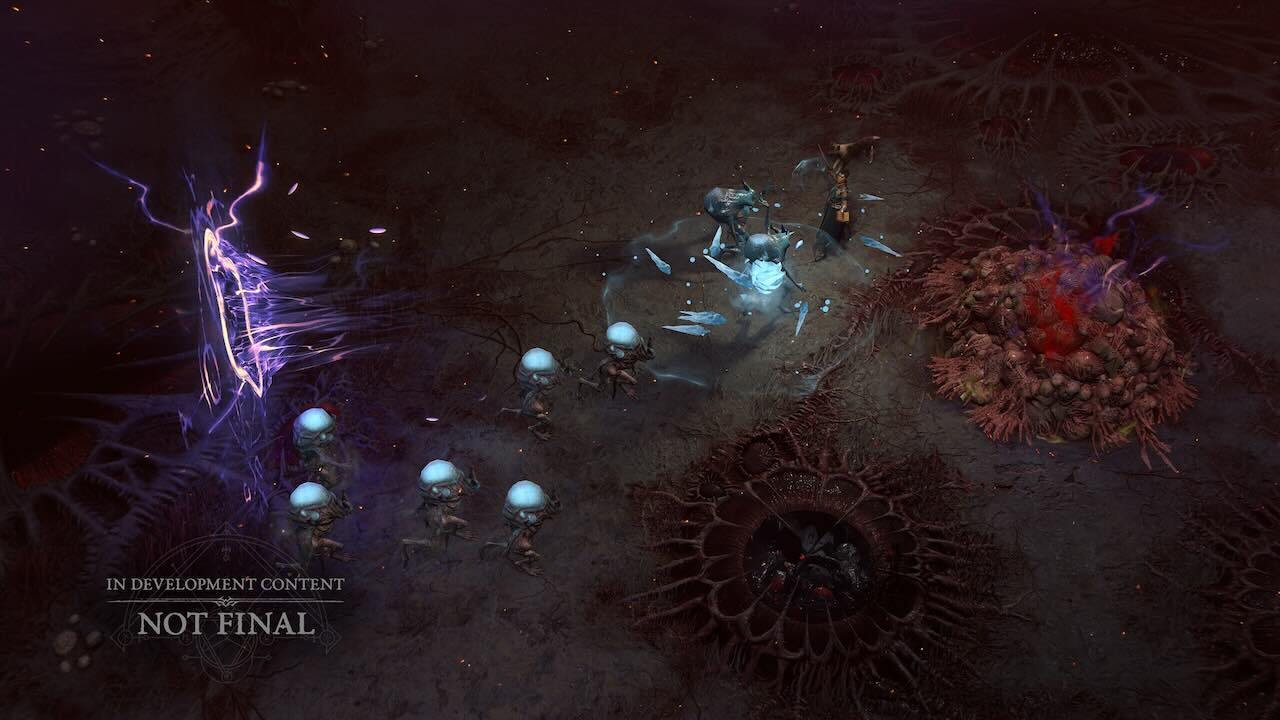
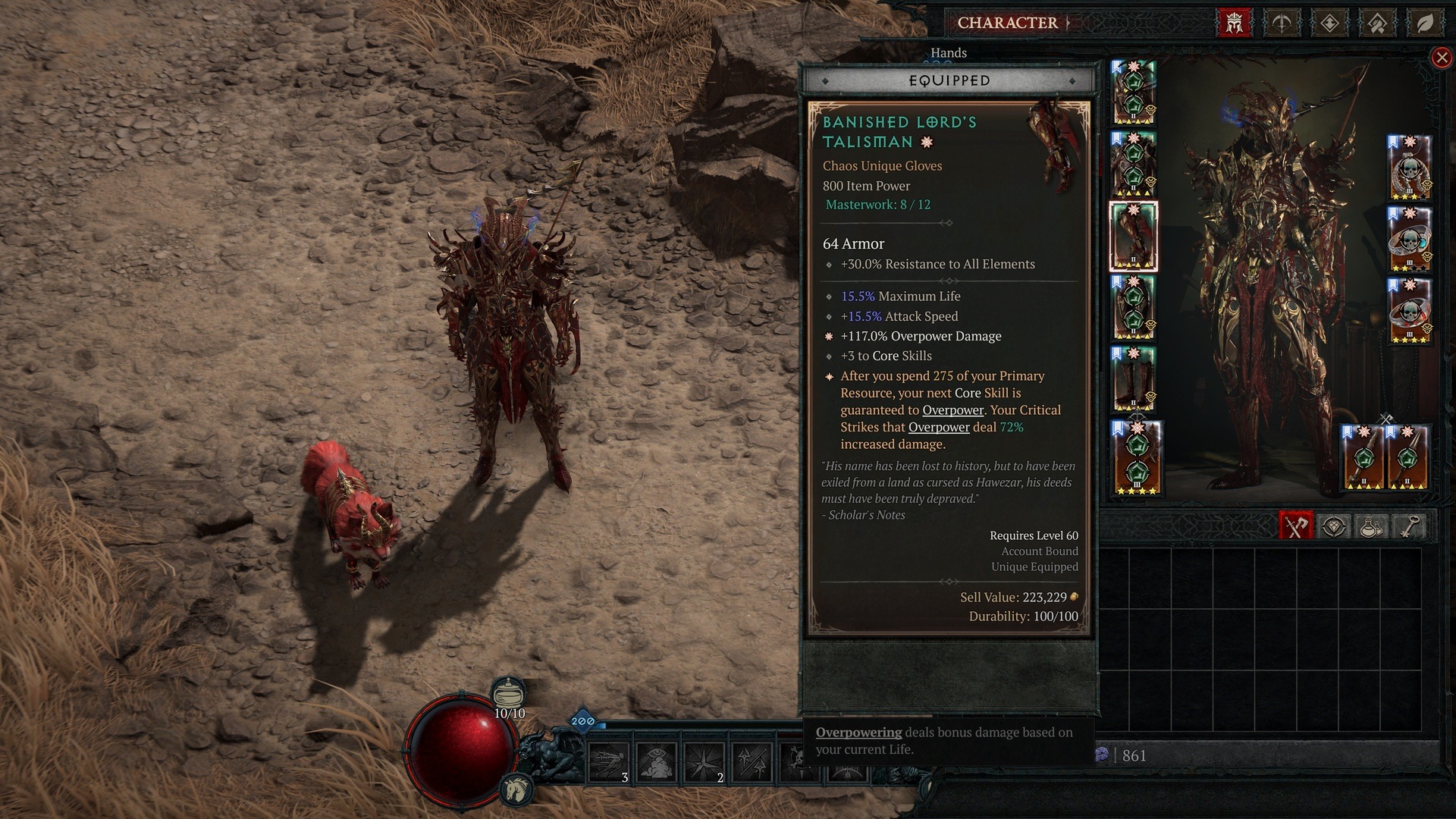
But the good news is that there's always a solution to that grind problem and for Diablo 4, that's buying gold. If you buy gold online, you'll be able to respec, buy, and modify any item that you want to. That is of course, if you're able to buy Diablo 4 gold safely.
There are inherent risks when it comes to buying D4 gold so it's important that you do a bit of studying about it first. On this guide, we'll talk about how you can safely buy D4 gold online so you don't have to grind heavily.
Is Buying Diablo 4 Gold Allowed in 2025?
If you've spent any time in Diablo 4, you've probably seen gold fly around like it's candy. But the question a lot of players ask is simple: can you actually buy gold legally in 2025 without getting into trouble? Here's a clear breakdown.
Blizzard's Stance on Trading Between Players
Blizzard has always walked a fine line when it comes to player-to-player economies. Officially:
- Direct RMT (Real Money Trading) is not allowed – that includes buying gold, items, or services from third-party websites for real cash. Blizzard's ToS strictly prohibits this.
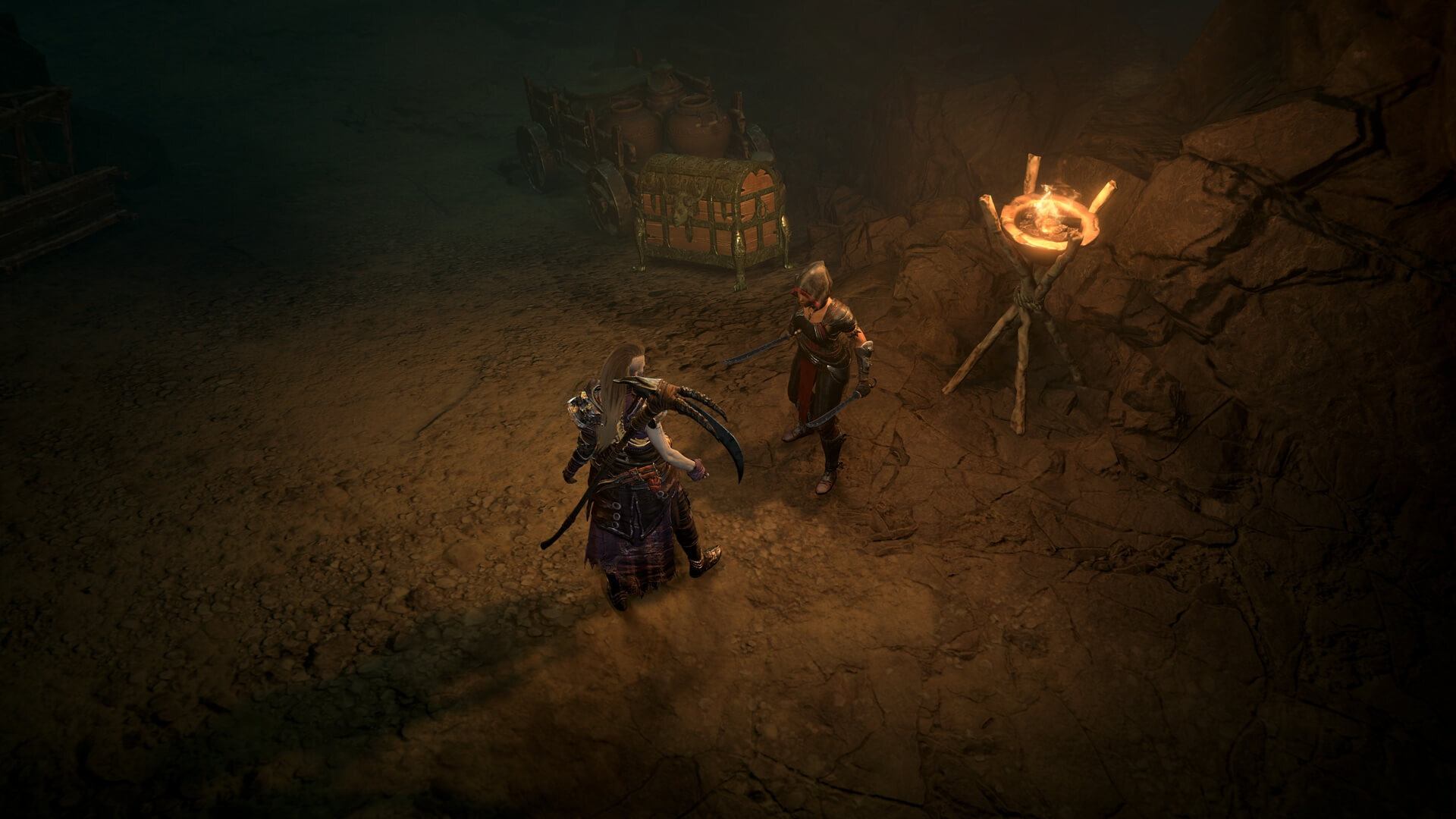
- Player-to-player trades within the game are fine – Diablo 4 supports trading gold for items, gear, or crafting mats with other players in a legitimate, in-game context.
- Gifted gold from friends is okay – if it happens naturally in the game and doesn't involve suspicious activity or third-party sites.
The key takeaway is this: the system Blizzard wants you to use is entirely contained within the game. Anything outside of that opens up enforcement risk.
What Is Technically Allowed
Within the official game environment, you can safely:
- Trade gold for items directly with other players.
- Exchange gold for crafting materials, keys, or resources in a player-to-player setup.
- Move gold between your own characters on the same account.
Outside of that:
- Buying gold from a website or third-party seller is against the rules. Even if it works, it's risky.
- Selling your own gold or items for real money also counts as RMT.
So technically, in-game trades are fine, but anything tied to real-world cash is where Blizzard draws the line.
What Triggers Enforcement
Blizzard doesn't automatically ban everyone who trades gold. They focus on patterns that indicate abuse. Common triggers include:
- RMT patterns – regular, repeated buying or selling of gold for real money.
- Bots or automation – accounts that farm gold endlessly without player input.
- Currency laundering – moving gold between multiple accounts in unusual ways.
The enforcement is largely pattern-based, meaning a one-off trade with a friend probably won't trigger an alert, but repetitive, unnatural activity might.
It's important to remember that Blizzard's policy is stricter than what they can practically enforce. Not every rule violation gets caught immediately, but repeated infractions or large-scale operations tend to be flagged quickly.
Distinction Between Policy vs Practical Enforcement
Here's the simple truth:
- Policy – the rules on paper are clear: no buying or selling gold for real money.
- Practical enforcement – in reality, Blizzard's automated systems and support team prioritize the most obvious or damaging offenders. A casual trade or minor anomaly may fly under the radar.
That said, just because some people don't get caught doesn't mean it's risk-free. Even a single suspicious trade can trigger an investigation if it fits the patterns Blizzard monitors.
What Blizzard Detects Automatically
Blizzard relies heavily on automation to catch illicit gold transactions. Their system doesn't need human eyes to flag accounts—patterns and spikes are enough. Things that get detected include:
- Massive gold spikes – sudden increases in gold far above what's reasonable for your character level or playtime.
- Multi-account funneling – moving gold between multiple accounts in ways that serve no gameplay purpose.
- Repeated trades with flagged accounts – trading often with accounts already under suspicion raises alarms.
- Trades without logical in-game context – if the trade doesn't make sense based on items, levels, or normal player behavior, it can be flagged.
Automation makes it clear that Blizzard isn't just looking at “did you buy gold?” They are looking at patterns and anomalies. Even legitimate trades can be questioned if they look suspicious. That's why many players who buy gold from third-party sites end up banned—their actions trigger automated systems designed to catch exactly that type of behavior.
How Diablo 4 Trades Typically Work (2025 Version)
Trading in Diablo 4 has always been part of the game's core loop, but in 2025, Blizzard has tightened the systems to make sure trades stay fair and safe. Understanding how trades typically flow will help you avoid accidental flags or bans.
Normal, Safe Trade Flow
A typical, safe trade looks like this:
- Meet in town – pick a central hub like Tristram or the Sanctuary waypoint. Blizzard's system flags trades in odd or remote locations more easily.
- Party invite – inviting the other player to a party before initiating the trade ensures both accounts are “active” and visible in a logical gameplay context.
- Direct trade window – always use the in-game trade window. This keeps Blizzard's automated systems happy and avoids any suspicious “outside” movements.
- Item placeholder requirement – even if you're just trading gold, placing a low-value item in the window prevents “empty trades,” which can look like bot or RMT activity.
- Reasonable trade amounts – trades that match expected gold ranges for your character level and gear are much less likely to trigger enforcement. Trades that are too high or too low compared to market norms can be flagged.
The goal is simple: make your trade look like something that a normal player would do while playing. That's what Blizzard's system expects.
What a Safe Trade Looks Like
Some signals of a safe trade include:
- Normal trade speed – don't spam click or instantly send everything. Take a few seconds, just like a real exchange.
- Involves a placeholder item – prevents automatic red flags for empty trades.
- Gold amount matches market activity – check average in-game prices if you're unsure. Trading way above or below the normal range looks suspicious.
- Seller account shows normal gameplay patterns – a character with a balanced play history, achievements, and cosmetics is less likely to be flagged than a freshly created or inactive account.
What Raises Ban Risk (2025 Updated List)
Even in 2025, some behaviors almost guarantee Blizzard will take notice. Avoid these at all costs:
- Receiving massive gold amounts instantly from a level-1 or newly created account
- Trades without any placeholder item
- Repeated trades with accounts that appear automated
- Standing AFK in popular trade spots while expecting gold
- Using drop trades outside the official trade window
- Buying gold or items far above the normal price range
- Trading immediately after flagged activity such as botting or VPN hopping
Red Flags That Should Be Avoided
Blizzard's detection is smart but predictable. Watch for these warning signs:
- Seller unwilling to meet in town
- Seller insisting on dropping gold on the ground instead of using the trade window
- Accounts with generic names, no cosmetics, no achievements – often indicators of bot or RMT accounts
- Trades happening in remote, empty zones instead of established hubs
Following these simple guidelines keeps your trades looking legitimate, reduces the chance of automated detection, and keeps your account safe. Diablo 4 trading is meant to be fun, so sticking to these practices ensures you stay on the right side of the rules.
Best Ways to Buy D4 Gold Safely in 2025

Buying Diablo 4 gold in 2025 doesn't have to be risky. The key is sticking to safe, in-game trading methods that Blizzard expects and RPG Stash fully supports. Here's a look at the most reliable options:
- Direct player-to-player trade – the classic method. You meet a trusted seller in town, open the trade window, and exchange items or placeholder objects for gold. Fast and straightforward.
- Mail delivery (if applicable) – some trades can be completed via the in-game mail system, but always check 2025 rules. Lower visibility means slightly higher caution, but it can reduce trade congestion.
- Marketplace-mediated trades – using a verified marketplace adds an extra layer of security. Marketplace systems often confirm seller reputations before completing the transaction.
- Character-leveled sellers – higher-level accounts with normal gameplay history reduce the chance of being flagged. They look like legitimate players to Blizzard's automated systems.
- Staggered multi-trade delivery – breaking large orders into multiple smaller trades lowers the risk of triggering automated detection.
Recommended Safe Buying Workflow
To keep things safe and stress-free, follow this workflow:
- Confirm seller reputation – always check past trades and community feedback.
- Use the in-game trade window exclusively.
- Accept gold in realistic amounts for your level.
- Avoid extreme bulk transfers in a single trade.
- Keep trade behavior aligned with normal gameplay – no instant gold swaps or AFK trading.
Our Delivery Methods (Safe Trading in 2025)
At RPG Stash, safety is our priority. Here's how we handle trades to ensure your account stays secure:
- All gold is hand-farmed or from legitimate sources – no botting involved.
- Leveled seller characters match Blizzard's expectations of normal players.
- Trades occur only in towns like Kyovashad or Zarbinzet for clear visibility.
- Gold is delivered by human sellers to maintain a natural, player-to-player feel.
- Safe placeholder items are always used to prevent empty-trade flags.
- Staggered delivery ensures large orders stay under detection thresholds.
- 24/7 monitoring of trade safety patterns keeps all activity within safe limits.
Example of a Real Trade Flow
Here's what a safe RPG Stash trade looks like in practice:
- Seller and buyer meet in a populated town hub.
- Buyer adds a placeholder item to the trade window.
- Seller sends gold in the trade window.
- Both parties confirm the trade.
- Optional second or third trade handles larger orders safely.
This flow mirrors normal in-game behavior, keeping your account secure while delivering your gold reliably.
Step-by-Step Guide: How to Buy Diablo 4 Gold Safely
Follow this checklist to make your RPG Stash purchase smooth and secure:
- Choose a trusted seller – verified and highly rated accounts only.
- Provide your BattleTag correctly if required.
- Meet in a populated town for maximum safety.
- Add a common item to the trade window as a placeholder.
- Accept gold only from normal-looking accounts.
- Avoid remote or unusual trade locations.
- Log out normally after the trade – no VPN hopping.
- Play normally for 10–20 minutes afterward to reinforce natural account activity.
By following these steps, RPG Stash ensures that buying Diablo 4 gold is not only convenient but also one of the safest ways to get your hands on the currency you need.
FAQs
Can you get banned for buying D4 gold in 2025?
Yes, if it violates Blizzard's rules. Safe in-game trades with trusted sellers and placeholder items reduce risk.
What makes a trade “suspicious” to Blizzard?
Large gold spikes, new or inactive accounts, empty trades, remote locations, or repeated trades with flagged accounts.
Is using a placeholder item required?
Yes. It prevents your trade from looking like bot or RMT activity.
Are small trades safer than large trades?
Yes. Smaller, staggered trades look natural and avoid detection.
What delivery methods are safest?
Town hub trades using the in-game window, with leveled seller accounts and hand-farmed gold.
How can I verify a seller's reputation?
Check feedback, trade history, and reviews. RPG Stash uses only trusted, verified sellers.
Ready To Grind?
Diablo 4 is a tough game already and we want to make it easier for you. Our D4 gold for sale will be more than enough to keep you and your stash filled with amazing loot.