


Arc Raiders Shrouded Sky Update - New ARC Enemy
12.02.2026 - 07:55:00
Arc Raiders , Game Guides
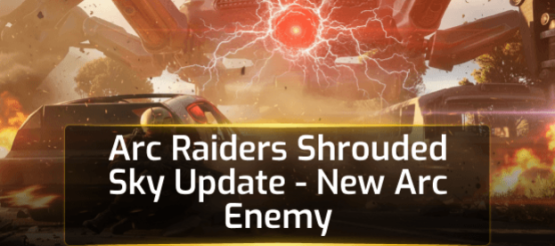

The Arc Raiders Shrouded Sky update is set to arrive within the coming weeks and it's easily one of the most anticipated updates for the game.
It will bring in new weather conditions, new challenges, and new rewards at the same time. What most players are excited for however, are the new ARCs or enemies that are set to arrive with the update. In this guide, we'll give you all of the information that we know about the new enemy in Arc Raiders so that you can prepare.
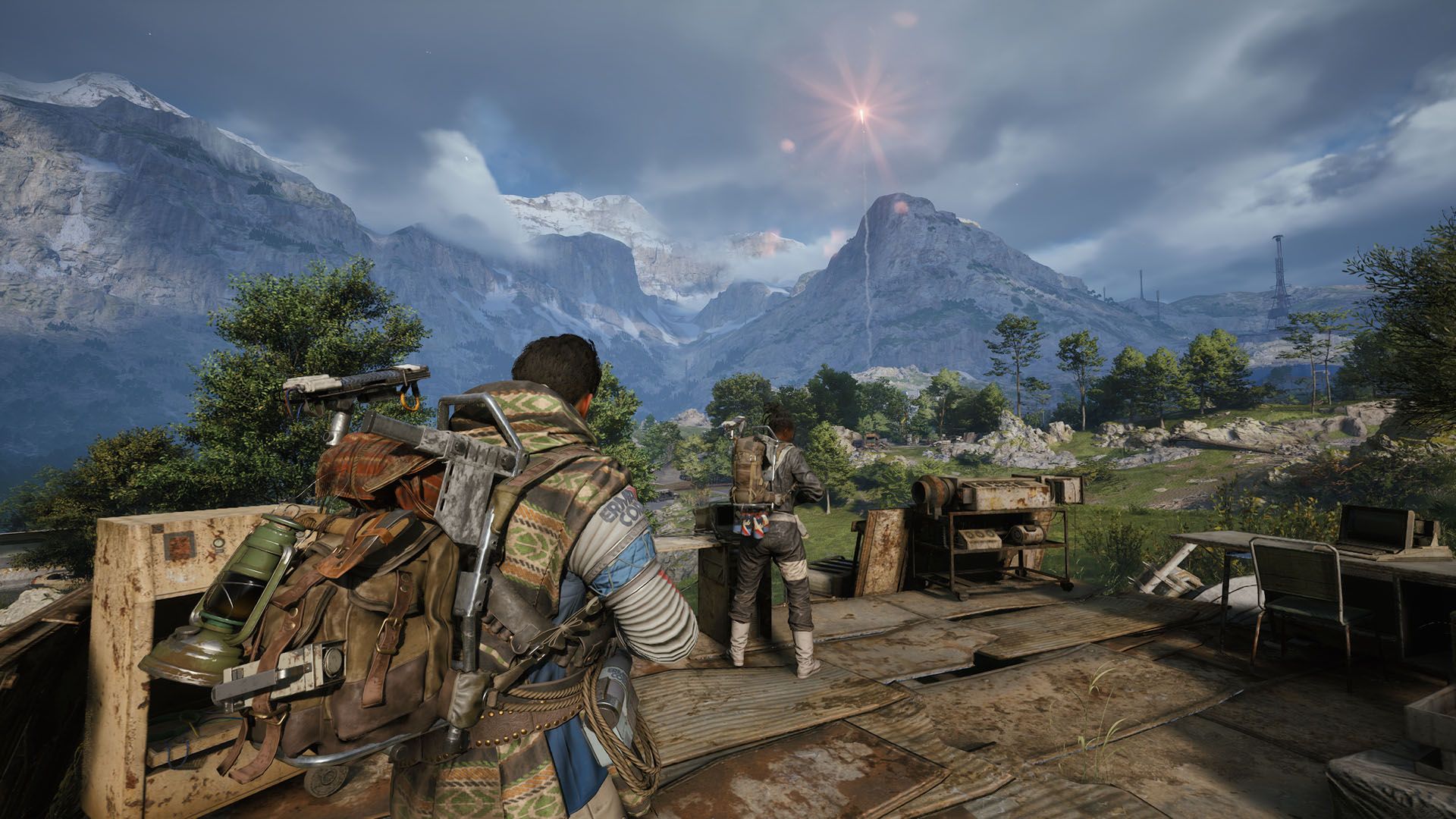
While you're here, make sure to check out our Arc Raiders store at RPG Stash. We've got Arc Raiders Items for sale so that you can quickly stock up on good gear for the new enemies.
Overview of the New ARC Enemy
The Shrouded Sky update isn't just about darker skies and reduced visibility. It also introduces a brand-new airborne ARC unit that changes one of the most comfortable habits players developed in earlier updates: the rooftop advantage.
While the official name hasn't been revealed yet, this new unit is clearly designed as a sky-patrolling ARC threat. Based on early descriptions, it's an agile, airborne machine that actively hunts players who rely on vertical positions.
In other words, if you've been using rooftops, towers, or elevated ledges as safe sniper nests, that comfort zone is about to disappear.
From a lore standpoint, the introduction of a sky unit makes sense. ARC machines are meant to be adaptive and relentless. As Raiders started exploiting high ground and rooftops to stay safe, it was only a matter of time before the machines developed a countermeasure. This airborne ARC feels like a direct response to that behavior—an automated enforcer designed to deny players the skies.
Spawn-wise, the new enemy is expected to patrol open areas and hover around rooftops, especially in high-value zones. These locations usually attract snipers, loot hunters, and players waiting for extraction opportunities. With the Shrouded Sky condition lowering visibility, this airborne ARC becomes even more dangerous. You might not even notice it until it's already descending on your position.
In terms of PvPvE balance, the new ARC fills a very specific role: vertical pressure. Previously, the biggest threats were ground-based patrols or other players. Now, the sky itself becomes a danger zone. Rooftops are no longer safe havens. They're hunting grounds.
Attack Patterns and Abilities
Since the exact model hasn't been officially revealed, most of what we know comes from early descriptions and logical design patterns used by other ARC units.
The airborne ARC is described as agile, which suggests fast repositioning, hovering, and possibly quick dive attacks. Unlike heavier ARC units that rely on brute force, this one likely focuses on speed and harassment tactics.
Its basic attack is expected to involve either:
- Rapid-fire energy projectiles, or
- Short burst attacks designed to force players out of cover.
Because it specifically targets players on rooftops, it likely has strong downward attack angles. That makes it especially dangerous for anyone exposed on flat surfaces without overhead cover.
For special abilities, there are a few likely possibilities based on how ARC units usually function:
- Dive strikes: Quick descents toward players on elevated terrain.
- Area denial bursts: Attacks that force players to move from rooftops or ledges.
- Tracking behavior: Locking onto players who stay in high positions for too long.
In terms of threat level, this enemy would likely fall into the medium-to-high category. On its own, it might not be as tanky as heavy ARC units, but its mobility and attack angles make it extremely disruptive.
Under pressure, airborne units typically react by repositioning instead of standing their ground. Expect it to:
- Pull back when heavily damaged.
- Circle around structures.
- Re-engage from a different angle.
This behavior makes it harder to pin down, especially for solo players. Against teams, the enemy will probably focus on the most exposed or elevated target. Players standing on rooftops or open structures will naturally draw its attention first.
Combat Strategies and Tips

When dealing with a sky-focused ARC threat, the biggest adjustment is mental. You can't treat rooftops as safe zones anymore. Instead, think of them as temporary positions.
Recommended loadouts
Weapons with good tracking and consistent mid-range damage will likely perform best against airborne enemies. Look for:
- Assault rifles with stable recoil.
- SMGs with good accuracy.
- Light machine guns for sustained fire.
Precision rifles can still work, but only if you're comfortable hitting fast-moving targets. The airborne ARC's mobility may make slow, single-shot weapons less reliable.
Gadgets that will be especially useful when the sky unit starts pressuring your position include:
- Provide cover, or
- Disrupt enemy movement
Team engagement tactics
For squads, the safest approach is to spread vertically and horizontally.
- Avoid stacking multiple players on the same rooftop.
- Assign one player to track the airborne ARC.
- Keep at least one teammate on ground level for safer positioning.
When the sky unit appears, focus fire becomes the fastest way to neutralize it. These enemies rely on mobility, not heavy armor, so coordinated damage can bring them down quickly.
Solo engagement tactics
Solo players need to rely on positioning more than firepower.
- Stay near structures with overhead cover.
- Avoid long stays on rooftops.
- Keep escape routes in mind before climbing.
If the airborne ARC locks onto you, dropping down to lower levels or moving indoors can break its attack angles.
Positioning and timing
The key is to treat elevated areas as short-term advantages, not permanent nests.
- Take your shots.
- Relocate quickly.
- Avoid staying exposed for too long.
Timing also matters. If you hear mechanical sounds above you, assume the sky unit is nearby and reposition immediately.
Threat Analysis and Player Preparation
Compared to existing ARC enemies, the airborne unit isn't necessarily the toughest, but it may be one of the most disruptive.
Ground units usually follow predictable paths. You can study their patrol routes, avoid them, or lure them into traps. An airborne ARC removes that predictability. It can approach from almost any angle, especially in low-visibility conditions.
That alone makes it feel more dangerous than some heavier units, even if its health pool is smaller.
For safer encounters, players should aim for:
- Mid-tier weapons at minimum.
- Reliable healing supplies.
- At least one gadget for escape or cover.
Newer players may struggle with this enemy at first, especially if they rely heavily on rooftop sniping. The airborne ARC directly counters that playstyle, so adapting is essential.
When dealing with multiple ARC enemies at once, resource management becomes critical.
- Don't dump all your ammo into the airborne unit if ground threats are closing in.
- Use cover to break line of sight.
- Prioritize enemies based on immediate danger.
Sometimes, the smartest move isn't to fight at all. If you're low on supplies and the sky unit appears during a heavy engagement, retreating to a safer area might be the better choice.
Community and Meta Impact
Even before full gameplay details are out, the introduction of an airborne ARC is already sparking discussions in the community.
Many players recognize it as a direct counter to rooftop sniping and long-term overwatch strategies. For months, vertical positions have been some of the safest spots in the game. Now, those same areas could turn into high-risk zones.
Early reactions suggest a mix of excitement and concern.
On the positive side:
- Players like the idea of more dynamic threats.
- The environment feels less predictable.
- Matches could become more intense and mobile.
On the cautious side:
- Some worry that stealthy rooftop playstyles may become less viable.
- Others are concerned about dealing with airborne enemies in low-visibility conditions.
From a meta perspective, this enemy could push the game toward:
- More mobile playstyles.
- Fewer static sniper nests.
- Greater emphasis on mid-range combat.
Long-term, it also changes how players plan Shrouded Sky runs. Instead of prioritizing rooftops as safe scouting points, players may start favoring:
- Covered walkways.
- Interior routes.
- Ground-level flanking paths.
In a way, that's exactly what the update seems designed to do. Shrouded Sky isn't just adding a new enemy. It's reshaping how players think about the map, the sky, and their own positioning. And if this is the direction future updates follow, Raiders will need to stay flexible—or get left behind.
A New Threat Is Arriving Soon

Fighting the new threat in Arc Raiders is going to be challenging. If you need more help, check out our Arc Raiders guides. We're regularly adding more tips and tricks for players of all levels so make sure to check it out!