


D2R Rune Recipes - Horadric Cube Runes Guide
18.06.2026 - 08:10:36
Diablo 2: Resurrected , Game Guides , Runes, Runewords & Horadric Cube

Are you searching for a resource that tells you the exact Diablo 2 rune recipes, so that you will have a smoother experience from start to finish? If so, you have come to the right place!
There are so many D2R runes out there, and most of what you can get while farming are the low- and mid-tier ones. If you have an abundant supply of them, the good news is that you don’t have to sell them to a vendor or drop them on the ground; you can actually repurpose them with the help of the Horadric Cube.
Diablo 2: Resurrected Rune Recipes Explained
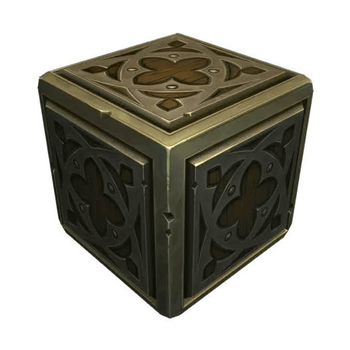
The Horadric Cube is a quest item in D2R that you can obtain in Act 2. Most people use it as extra storage space. However, the Horadric Cube can transmute low-tier runes to create runes of a higher tier. You just have to know the exact ingredients and rune recipes for that to happen.
The lowest tier of runes in Diablo II: Resurrected typically get upgraded when you transmute three copies of the same rune in the Horadric Cube. For mid-tier runes and above, you not only have to secure three of the same type of runes, but also include a certain type of gem into the mix.
Obtaining the higher-level D2R runes is necessary if you want to have the best runewords in the game. For instance, the ever-popular Enigma Runeword requires a Jah, Ith, and Ber Runes socketed in the exact same order into a three-socketed body armor of your choosing.
It is also important to note that there are certain runewords that you can only create in Ladder. In D2R Season 14, these are the Mania and Hysteria. You can learn more about them in our new runewords in D2R Reign of the Warlock.
Conversely, Mosaic, which used to be a ladder-only runeword in D2R, can now be created in Non-Ladder. Mosaic is currently disabled for Season 14, though it may be re-enabled at a future date.
All Horadric Cube Rune Upgrade Recipes in D2R
D2R Low Rune Upgrade Recipes
| Output Rune | Recipe | Notes |
|---|---|---|
| Eld Rune | 3x El Rune | The El Rune can only be obtained through farming, since it is the lowest-tier rune in D2R. |
| Tir Rune | 3x Eld Rune | The Tir Rune is good for early leveling, especially for D2R builds that are mana-intensive. |
| Nef Rune | 3x Tir Rune | The Nef Rune is typically farmed from The Countess in Normal Difficulty. |
| Eth Rune | 3x Nef Rune | The Eth Rune is an essential component for Grief and Obedience (runewords). |
| Ith Rune | 3x Eth Runes | Despite being a low rune, Ith is relatively valuable because it’s part of the runeword “Enigma.” |
| Tal Rune | 3x Ith Runes | Aside from being an essential ingredient for Spirit and Stealth, the Tal Rune is also used in other Horadric Cube Recipes, such as adding sockets to normal body armor/shield, and for creating a Blood Belt. |
| Ral Rune | 3x Tal Runes | The Ral Rune is the highest rune that you can farm from the Normal Countess. |
| Ort Rune | 3x Ral Runes | The Ort Rune is valuable for re-rolling Spirit until you get the full 35% FCR. |
| Thul Rune | 3x Ort Runes | The Thul Rune is used in creating Heart of the Oak, Spirit, and Void, among others. |
| Amn Rune | 3x Thul + 1 Chipped Topaz | The Amn Rune is used to create Ice, Mosaic, and Spirit. |
| Sol Rune | 3x Amn + 1 Chipped Amethyst | The Sol Rune is typically farmed from the Nightmare Countess. |
| Shael Rune | 3x Sol + 1 Chipped Sapphire | The Shael Rune is good for leveling melee builds in D2R because it increases your attack speed when socketed into weapons, and improves FBR when put inside shields. |
| Dol Rune | 3x Shael + 1 Chipped Ruby | The Dol Rune is an ingredient for creating Chains of Honor and Fortitude. |
| Hel Rune | 3x Dol + 1 Chipped Emerald | The Hel Rune is an ingredient for removing all socketable items like gems, runes, and jewels from helmets, body armor, weapons, and shields. |
| Io Rune | 3x Hel + 1 Chipped Diamond | The Io Rune is a core ingredient for creating the Renewed Flame Rift (sunder charm). |
| Lum Rune | 3x Io + 1 Flawed Topaz | The Lum Rume is an ingredient for making the Renewed Cold Rupture (sunder charm). |
| Ko Rune | 3x Lum + 1 Flawed Amethyst | The Ko Rune is sometimes used to create the Renewed Rotting Fissure (sunder charm). |
| Fal Rune | 3x Ko + 1 Flawed Sapphire | The Fal Rune is part of the recipe for making the Renewed Crack of the Heavens. |
D2R Mid and High Rune Upgrade Recipes
| Output Rune | Recipe | Notes |
|---|---|---|
| Lem Rune | 3x Fal + 1 Flawed Ruby | Considered as the lowest-level tradable rune in D2R. |
| Pul Rune | 3x Lem + 1 Flawed Emerald | The Pul Rune is often used to upgrade exceptional unique weapons to their elite variants. |
| Um Rune | 2x Pul + 1 Flawed Diamond | The Um Rune provides additional resistances when socketed into body armor and shields. |
| Mal Rune | 2x Um + 1 Topaz | Mal is an essential component in some coveted runewords, such as Call to Arms, Infinity, and Grief. |
| Ist Rune | 2x Mal + 1 Amethyst | The standard rune for trading in D2R. |
| Gul Rune | 2x Ist + 1 Sapphire | Gul is used to create Mosaic and Vigilance. |
| Vex Rune | 2x Gul + 1 Ruby | Vex is considered the first “high rune’’ in D2R. |
| Ohm Rune | 2x Vex + 1 Emerald | Despite granting +50% Enhanced Damage when slotted into weapons, Ohm Rune’s true value is in creating and rerolling Call to Arms a bunch of times until the “+6 to Battle Orders” is achieved. |
| Lo Rune | 2x Ohm + 1 Diamond | The Lo Rune is typically used in making Grief and Fortitude. |
| Sur Rune | 2x Lo + 1 Flawless Topaz | The Sur Rune is often used to create the Ber Rune, which is one of the most highly coveted runes in D2R. |
| Ber Rune | 2x Sur + 1 Flawless Amethyst | Used for creating Enigma, the Ber Rune is one of the most tradable runes in the game because of that. |
| Jah Rune | 2x Ber + 1 Flawless Sapphire | Besides Enigma, Jah is also used to create Destruction, Dream, and Last Wish. |
| Cham Rune | 2x Jah + 1 Flawless Ruby | Despite being a high rune, Cham is not as valuable as Jah and Ber. It does have its uses, however, in that you can put Cham inside a body armor or shield to get the “Cannot Be Frozen” affix. |
| Zod Rune | 2x Cham + 1 Flawless Emerald | The Zod Rune is the highest rune available in D2R. It is also the rarest. |
When Should You Upgrade Runes in D2R?
So, you have knowledge about the different rune recipes in Diablo II: Resurrected. The question now is: when should you upgrade your runes? Here are some scenarios where upgrading runes in D2R makes sense:
- When You Are Close to Creating a Runeword: Creating runewords in D2R is basically getting a suitable base and then inserting certain runes in a specific order. If you are just one rune short of making a runeword, then rune upgrading becomes a viable option in this regard.
- You Have Plenty of Low-Tier Runes: If you frequently farm The Countess or engage with Terror Zones in D2R, then chances are that you have a stockpile of runes in your stash. If you don’t mind spending some time, you could transmute them using the Horadric Cube so you can obtain the higher-tier runes without trading with other players.
- You Want to Make a Quick Buck: Some runes like Ist, Um, and Vex are highly tradable because they are essential for creating some of the best runewords in the game, including Call to Arms, Chains of Honor, and Heart of the Oak, to name a few.
- Inventory Management: Despite the addition of dedicated stashes in Diablo II: Resurrected—Reign of the Warlock, having enough storage space to store all your items is still a common pain point among the community. Hence, upgrading runes becomes a necessity if you’ve reached a point where you can no longer keep more from your farming adventures.
- Endgame Rune Chasing: If you want to get your hands on Jah, Ber, and Zod runes, which are some of the rarest runes in D2R, then rune upgrading may be your only option for obtaining them, especially if you don’t have the means to trade with others.
Rune Recipes vs. Rune Farming in D2R
Terror Zones have become quite popular in Diablo II: Resurrected recently. This is because you have a good chance of obtaining mid- to high-tier runes if you defeat Champion Packs and elites within the area. Furthermore, the addition of the Heralds of Terror in D2R makes farming runes in Terror Zones more compelling because of the chance of obtaining sunder charms.
Having said that, there is a growing dilemma of players wondering if upgrading runes is more viable than just farming them. Well, to help you make an informed decision, here are some reasons why rune upgrading is better than rune farming:
- Guaranteed Results: Rune recipes are set in stone. You simply have to gather the right ingredients, and transmuting them inside the Horadric Cube will yield a specific result. There’s no RNG involved in the process, which makes it quite appealing for those who don’t want to rely on luck.
- Creates Mid-Tier Runes: The Ist Rune is one of the most tradable runes in D2R. It is a mid-tier rune that’s an ingredient for some of the best runewords in the game, such as Chains of Honor, Call to Arms, and Infinity. If you happen to have a lot of Mal Runes and Amethysts, then creating tons of Ist Runes should be easy! The same goes for other mid-tier and even high-tier runes, provided that you have the ingredients for creating them.
- Great in Single Player or Offline Play: If you are a casual player who enjoys D2R alone or if you play the offline version of the game, then using rune recipes in the Horadric Cube is a crucial thing you should do for acquiring coveted gear and inventory management.
On the other hand, here are some good reasons why rune farming is better in D2R:
- Getting the High Runes: While it is possible to use the Horadric Cube rune recipes to obtain the high-tier runes like Jah, Ber, and Cham, doing so will require a ton of lower- and mid-tier runes. Farming the high runes in dense areas like the Chaos Sanctuary, The Secret Cow Level, and Terror Zones, at least according to the community, is much more feasible than relying on rune recipes alone.
- Acquiring Other Items: Farming runes in D2R typically rewards you with other items as well (such as the aforementioned sunder charms when defeating the Heralds of Terror).
- Farming and Gaining EXP at the Same Time: When you reach level 96, leveling up in D2R becomes an arduous grind to get to level 100. Rune farming is better than solely relying on rune recipes to get the more valuable runes because you will get some EXP from killing monsters on repeat.
The thing is, you don’t have to lock yourself into using just one approach. RPGStash recommends that you actually go for a more hybrid approach in D2R, where you farm runes by defeating high-level monsters and bosses, and then using the Horadric Cube to create runes from certain rune recipes. Refer to our D2R rune farming guide to get some tips.
FAQ
What are Rune Recipes in D2R?
Rune Recipes allow you to transmute your runes to get the more valuable ones in the Horadric Cube. For the low- and mid-tier runes, you need three copies of the same rune followed by a corresponding gem. For the high-tier runes, you only need two copies of the same rune and a flawed/regular/flawless gem.
Is Rune Farming Better Than Rune Recipes in D2R?
In some cases, yes. Farming runes is better if you want to get into battle for most of your time playing Diablo II: Resurrected. However, RPGStash encourages you to do both, especially when obtaining the high runes, such as Ber, Jah, Cham, and Zod.
Why are the Jah and Ber Runes Popular in D2R?
Jah and Ber Runes are needed to create the Enigma Runeword, which is one of the best D2R runewords because it gives you the ability to use Teleport (like the Sorceress).