


WoW 20th Anniversary: Best Arathi Basin Guide
07.04.2025 - 03:06:49
World Of Warcraft , WOW Gameplay Guides


The WoW 20th Anniversary Arathi Basin content is now available as part of Phase 3 of the game. Arathi Basin is just one slice of the celebration, and our full TBC Anniversary guide covers the events, raids and leveling running alongside it. If you’ve participated in this in the past, you’re probably well aware of just how challenging this area can be. But worry not, we’ll help you earn all of the rewards you’ll need.
Going through Arathi Basin underleveled and under-equipped can be challenging. If you’re lacking in any of these areas, visit our WoW 20th Anniversary store. We’ve got WoW TBC Anniversary gold, leveling services, and more that will help you get through Arathi Basin with ease.
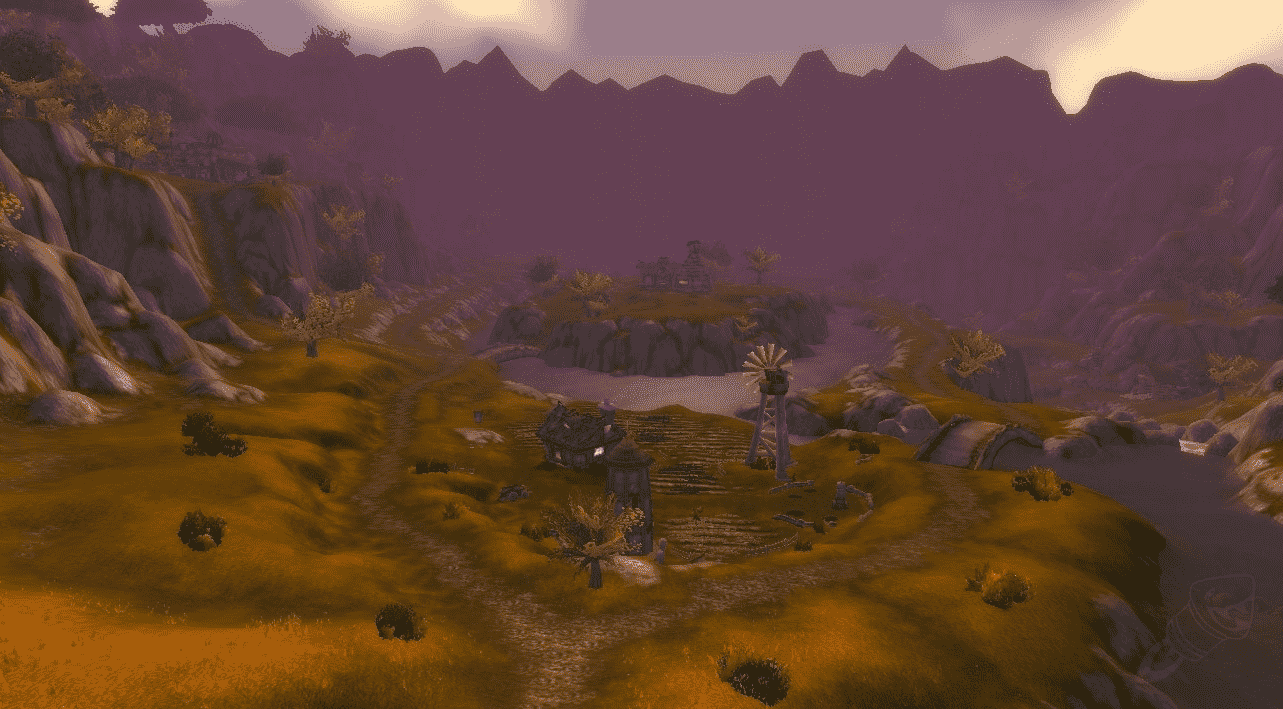
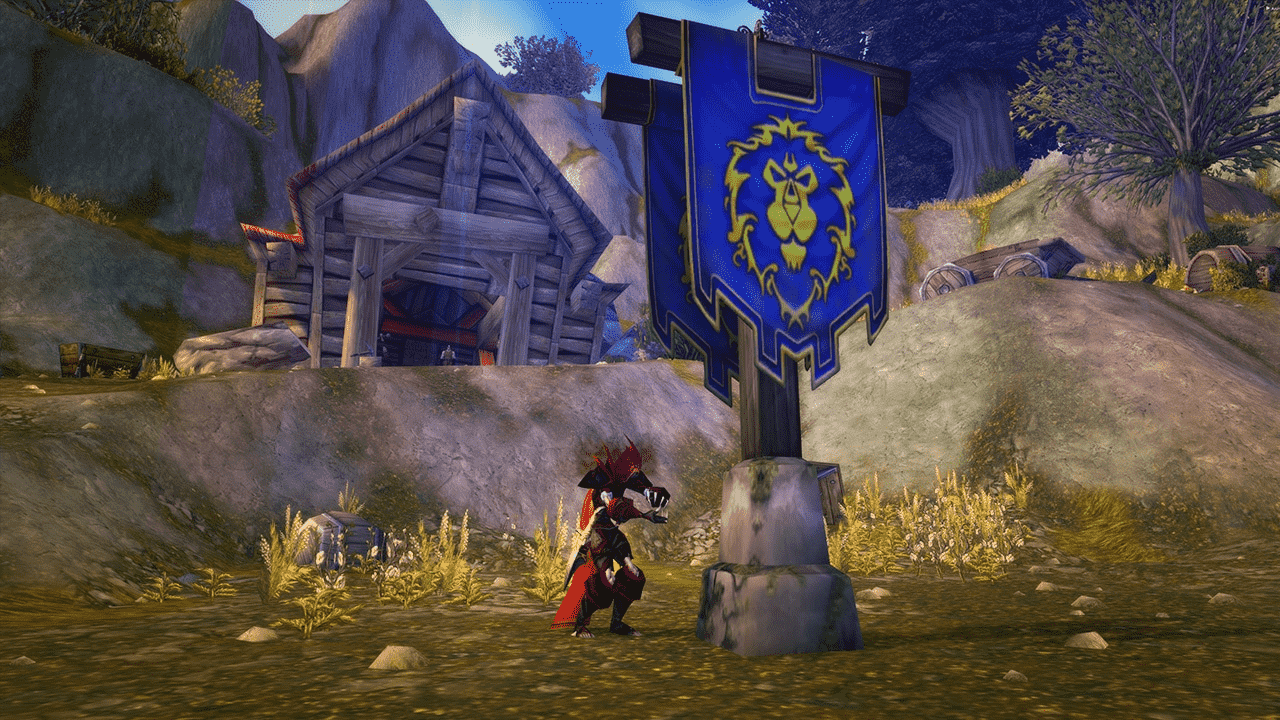
If you're Horde, the entrance to Arathi Basin is located in Hammerfall. For the Alliance, you'll find it at Refuge Pointe. You can also join the battleground by talking to Battlemasters in all capital cities. That’s the quickest way to jump into the action without traveling out to the zones.
Getting Started in Arathi Basin
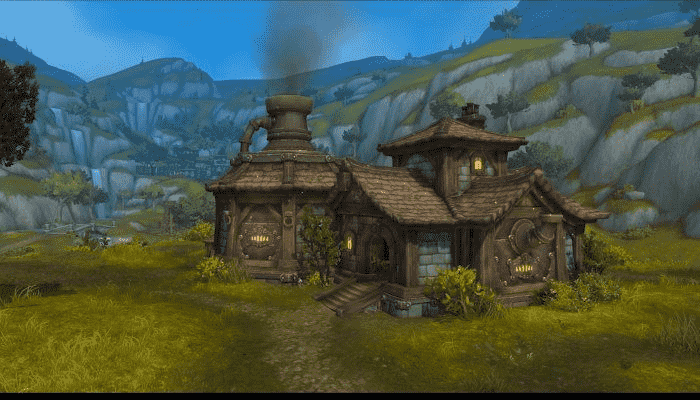
Let’s talk about what makes Arathi Basin tick. This battleground is all about capturing and holding five bases: the Lumber Mill, Blacksmith, Farm, Mine, and Stables. Once you’ve assaulted those key points, you’ll want to return to the Battlemaster to turn in any related quests.
Arathi Basin is played 15 vs. 15. You can queue for this battleground once you’ve hit level 20. The level brackets are:
- 20–29
- 30–39
- 40–49
- 50–59
- And the final bracket is level 60.
As you can see, the goal is to collect 2000 resources. To do that, your team needs to capture and hold those bases as long as possible.
What You Can Buy with Reputation
When you first start out, you can buy some useful potions. These are available at Friendly reputation for levels 10 and 35. You can also pick up food at levels 25, 35, and 45. Bandages are available at those same level tiers as well.

At Friendly, you'll also gain access to some handy trinkets. You can grab these at levels 38, 48, and 50.
At Honored, you can buy belts. At Revered, you can grab boots that increase your run speed—a big help in a battleground where mobility makes a big difference.
Once you hit Exalted, that’s when the epics come out. Getting to Exalted isn’t going to be easy, though, and it will take a considerable amount of time. We suggest going a few WoW leveling services so that you can get an edge over the competition.
Exalted Epics – Horde Side
Let’s take a look at the epic rewards available at Exalted reputation for Horde players—especially for classes like Shamans and Hunters.
There’s a chain helm with:
- +5 defense
- +20 stamina
For plate users like Paladins:
- +20 agility
- +18 stamina
- +17 intellect
Then there are items with mixed stats like strength, agility, stamina, and intellect—great for hybrids.
There's also a staff and a dagger. The staff increases damage and healing done by magical spells and effects by up to 30. If you're playing Alliance, you can buy all these items at Refuge Pointe.
Exalted Epics – Alliance Side
If you’re on the Alliance side, here's what you can look forward to in terms of gear. There are belts with damage bonuses, stamina boosts, and chances to hit.
The boots come with stamina and run speed bonuses—again, great for staying mobile across the map.
There are epic shoulders that not only look good, but also boost:
- +12 stamina
- +12 intellect
- +12 damage and healing done
- Plus, a bit of mana restoration
It’s part of a set and pairs well with a caster staff that has:
- +10 stamina
- +2% chance to crit with spells
- +41 bonus damage and healing
Then there’s a dagger—mine has +12 stamina, decent damage, and a +1% crit chance for spells. It’s a solid choice for caster specs. Let’s check out some more gear options depending on your class.
Casters:
There are belts and gear that reduce the cost of rapid spells, increase your crit chance, and add straight-up damage or healing.
Rogues:
Plenty of agility and stamina gear—everything a rogue needs. There are shoulders with big agility bonuses and gear that's perfect for sneaky melee combat.
Druids:
Great druid gear as well. Shoulders and other items that give a mix of intellect, stamina, and agility. One shoulder piece even comes with increased healing power and crit chance.
Warriors and Paladins:
Strength and stamina gear is plentiful. There are shoulders that give a chance to crit and provide durability in battle. For warriors and tanks, the options are solid across the board.
One of the few caster-specific pieces is a dagger with spellpower—great for warlocks and shadow priests. But overall, the most notable epic for both warriors and paladins is the shoulder piece.
Gameplay
Now let’s talk gameplay. That one’s down—time to defend the flag. Watch out for paladins—they’re immune to practically everything. Stop strikes, stuns, they can resist a lot.
You’ll want to time your cooldowns carefully. If you’re caught out in the open, you’re gonna get stomped. Sometimes you get stunned, sometimes feared—it’s part of the battleground chaos.
Stick with your team. If you get separated, it’s easy to get overwhelmed, especially with coordinated groups.
It gets hectic fast. One moment you’re taking a base, the next you’re getting feared by a priest, again and again. Super annoying.
There’s also a quest associated with Arathi Basin—make sure you pick that up. You’ll need to capture three bases. If your team only has one, that’s bad news.
You might even need to clip some flags or hang around nodes just to get quest credit. And trust us—there are always hunters around, ready to ruin your day.
Watch out for immunities. Some players just can’t be CC’d when it matters most. But when the fury procs? That’s the best feeling. That’s why we love playing shaman—just chain fury all night long. It’s a blast.
Even when things get wild out there—stuns, fears, and all—the game is still fun. Win or lose, it’s a good time.
This battleground gives great XP, awesome gear, and a ton of PvP action. If you want help climbing or gearing for competitive matches, a WoW PvP boost can make the PvP grind easier to manage. Whether you’re defending nodes, capturing flags, or just having fun throwing spells around, Arathi Basin is an iconic part of World of Warcraft—and it’s still going strong for the 20th anniversary.
Where Warsong Gulch puts a heavy emphasis on individual plays and hero moments, Arathi Basin is all about coordination. It’s slower paced, more methodical, and relies much more on teamfighting.
There are so many different ways you can approach this battleground, and in this guide, we’re going to walk you through some of the most important factors: team composition, class roles, base prioritization, and positioning. After that, we’ll dig into rotations and tactical tricks that can help your team dominate.
Now, it’s worth noting—there isn’t a ton of current high-quality pre-made vs. pre-made AB footage out there. For this breakdown, we’re going to be using some footage from Silver Star’s premade on Nostalrius, one of the main opponents we ran into back when ranking there.
The gameplay features a particularly close match we played against them. You’ll also see a bit of our own casual BG footage mixed in throughout.
Let’s get into it.
Team Composition and Class Roles
Warsong Gulch has a very established meta but Arathi Basin is much more situational. The way you approach each match depends entirely on how confident you are against your opponents.
If you're running into pugs, your goal should be to 5-cap every game. But against a skilled premade? That’s where things change dramatically. The focus here is on premade vs. premade scenarios.
If you’ve prepared well for Phase 3 of WoW Classic, you should be strong enough to make a decent mark on your team. More content is queued up as the event rolls on, and here is what is coming in our Anniversary Phase 3 details.
Stack Warriors
Arathi Basin is centered around teamfights, so warriors are crucial. Ideally, you want to run with three, but two at minimum. Their presence in a coordinated fight is unmatched.
Stack Mages
Mages are also incredibly important. Their crowd control, peels, and delay tactics—especially using Ice Block—buy your team valuable time during rotations.
By the way, for those unfamiliar with the term “spinning the flag”—used mostly by American players—it refers to interrupting enemy players who are trying to cap a base. It's a vital tactic in any AB match.
Include Hunters
Hunters are another essential class. Their strength in open-field combat, creating choke points, and defending bases makes them one of the most impactful picks for this map.
One or Two Warlocks
Warlocks bring teamfight value with their AoE pressure and utility, but you really only need one or two, provided they’re skilled.
Rogues for Ninja Caps
Rogues have the best ability to ninja cap bases. Against a coordinated team, that’s tough to pull off—but if the enemy is slow on rotations or sloppy, one well-placed rogue can change the course of the game. If you respect your opponent’s skill level, run one rogue. If they’re disorganized, you might get away with more.
Four Healers
Run four healers: ideally, two priests, and then two paladins or shamans, depending on your faction. Priests are extremely versatile—they’re your best dispellers and your most flexible healing option. If you’re missing a second paladin or shaman, you can usually get by with triple priests.
Minimal Druid Value
Sadly, druids don’t bring much to AB. They’re the weakest healing class in teamfights and don’t have a spec that puts out real damage. If you run one, they should be strictly on defense.
Base Prioritization: Not All Nodes Are Equal
Knowing which bases to prioritize is key. Even if your team secures a three-cap early on, the location of those bases matters. A spread-out setup makes it tough to hold your lead against a skilled enemy.
Blacksmith
The best base on the map is Blacksmith. It's central, can only be accessed by bridge or water, and is perfect for creating chokepoints. It’s your anchor.
Lumber Mill
Next up is Lumber Mill. It gives excellent visibility over the map and is relatively easy to defend. Plus, from LM, you can slow fall down to Blacksmith, offering quick reinforcements. Just keep in mind that priests and mages can't slow fall or levitate others in Vanilla, so anyone else will need Noggenfogger elixir or engineering parachutes.
Farm (or Stables)
Your third-best choice is Farm (for Horde) or Stables (for Alliance). Farm has a slight edge because it’s easier to rotate to from LM and BS.
Gold Mine
By far the worst base is Gold Mine. It has no visibility, and it’s very vulnerable to ninja caps. Most of the time, it’s just the consolation prize for the team that loses the early three-cap race.
So, the ideal three-cap setup in premade vs. premade matches is Blacksmith, Lumber Mill, and Farm—commonly known as the Golden Triangle. This layout allows your team to float through the center of the map and respond quickly to any threats. Once a good team has this triangle locked down, it’s extremely difficult to break their hold.
That’s why the initial BS and LM fights are so important. Win those, and you’re in control.
Teamfighting Tactics
Unlike Warsong Gulch, Arathi Basin has more flexible class roles. Success here is mostly about how well your team fights and how effective your mages and hunters are at peeling and delaying incoming reinforcements.
- Warriors should be your front-line wrecking balls.
- Shamans or Paladins need to stick with them to support and sustain.
- Priests should be present in every fight—they’re your key healers and support.
- Mages and Hunters should control roads and chokepoints.
When it comes to defending nodes, rogues, warlocks, and druids are solid. Hunters and mages can defend well too, but they generally provide more value when allowed to roam.
Opening Strategies
At the start of the match, your goal should be to secure Lumber Mill quickly and then rotate into Blacksmith before the enemy gets a solid hold.
Some players ignore Gold Mine completely, but it can be valuable to send a rogue or druid solo. Their goal is just to delay the cap. If the enemy sends players there, that makes it easier for your team to secure Lumber Mill, which is far more important.
You’ll also need someone to cap Farm or Stables—but whether you leave a defender there immediately is up to you. A good rule is to have whichever druid or rogue didn’t go to mine stay behind on early defense.
Early Teamfight Setup
The first two major fights will take place at Lumber Mill and Blacksmith.
- Horde side: Send a shaman and a priest to each node. Shamans bring offensive pressure, and Windfury is lethal when paired with warriors. Priests are essential for defensive dispels.
- Alliance side: Try sending both priests to LM and both paladins to BS. The paladins can play defensively while the LM team quickly wins and rotates down to reinforce BS. This strat can work really well, but pairing a priest and paladin at each node is also solid.
You should also send multiple mages to LM, backed by other offensive classes. Their job is to win LM fast. If you're running three mages, send two to LM and one to BS. If you’re losing BS before LM is capped, slow fall down from LM to reinforce.
Mid-to-Late Game Recovery
If you’re down a base and trying to take one controlled by the enemy, your mages and hunters need to peel the graveyard. Time your kills so enemies are on the same res timer, fend off any rotators with CC, and let your healers grab the flag.
If the enemy gets a three-cap early on, you’re in a rough spot. You can try to fight back directly at BS or LM, but your odds improve if you create a distraction elsewhere. Send a rogue, druid, or both to ninja a base. Even if they don’t cap it, they might force a rotation, giving your main group an opening to push Blacksmith with a numbers advantage.
You can also fake a BS push—have your raid move toward Blacksmith visibly, prompting enemies to slow fall from LM. Then, double back and hit LM with superior numbers.
Five-Capping Pugs
When five-capping against pugs, you want to trap them near their spawn early. When you are ready to trade battlegrounds for raid bosses, our Black Wing Lair boss guide walks through every encounter. Send a team of 2–3 players through Gold Mine, Blacksmith, and Lumber Mill, and call out enemy positions. Use Discombobulator Rays to dismount anyone trying to make a hero play.
Cap Farm or Stables fast—before the enemy can take the graveyard. If they do grab it, time your kills and have a mage on the graveyard, just like before.
Once the five-cap is up, the game will end quickly. Just keep enemies contained, and watch out for stealth classes that might sneak behind you.
If one of your bases is getting overrun, call out the res timer and have everyone spin the flag. Save cooldowns like Ice Block or Divine Shield for these moments. Staggered use of clutch cooldowns can buy your team enough time to rotate or respawn. And don’t forget—every class can stop a cap with grenades, so keep your bags stocked.
Earn The Rewards At Arathi Basin!
Arathi Basin is not the last of Phase 3. There is still more to come with this stage in WoW 20th Anniversary. Make sure to complete all content ASAP so that you don’t get underwhelmed by tasks in the future!