


Arc Raiders: ARC Robots and Combat Strategy
14.02.2026 - 08:47:05
Arc Raiders , Game Guides
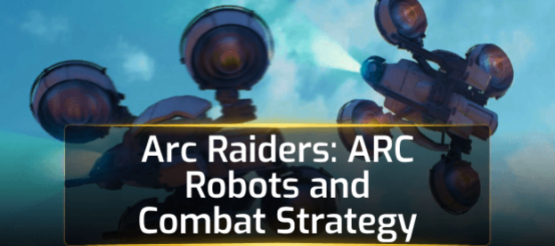

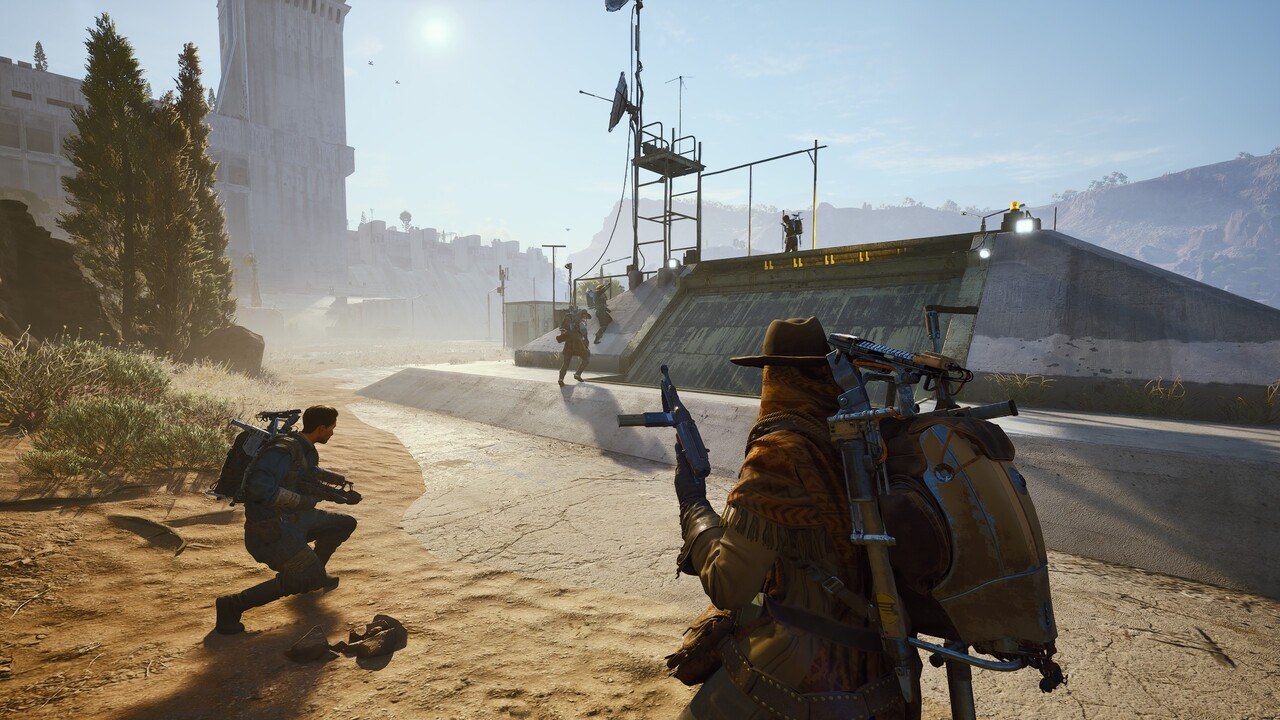
Fighting other players can be frustrating in Arc Raiders. However, if ARC robots hop in and join the fight, you're going to be in even bigger trouble.
The good news is that ARC robots are easier to predict. Unlike players, you can understand their patterns and movements. Doing these makes stopping all ARC robots much easier, even when you're fighting other players at the same time. There's more things to worry about in the game so it's best to destroy the ARC robots immediately.
Sometimes, a sound strategy isn't enough. You'll need good gear as well. If you need the extra funds, check out our Arc Raiders Items for sale. Now, on to your guide!
Overview of ARC Robot Types
ARC units come in several classes, each built for a different battlefield role. Treating them all the same is the fastest way to end up as scrap. The key is understanding which ones are scouts, which ones are enforcers, and which ones exist purely to ruin your day.
Core Classifications
Class | Examples | Threat Level | Typical Role |
Small | Tick, Snitch, Surveyor, Pop | Low–Medium | Detection, harassment, support |
Medium | Wasp, Hornet | Medium | Aerial suppression and crowd control |
Large | Bastion, Bombardier, Leaper | High | Heavy assault and area denial |
Elite | Rocketeer, Queen | Extreme | Endgame threats and boss encounters |
Common Spawn Locations
- Small units: Inside buildings, tunnels, or patrol routes near loot zones.
- Aerial units: Open terrain, rooftops, and industrial sectors.
- Heavy ground units: Major landmarks, military facilities, and high-tier loot areas.
- Elite units: Event zones or guarded endgame objectives like Harvesters.
On maps like Shrouded Sky, small units usually act as forward sensors. Their job is to detect movement, trigger alarms, and pull in aerial support. Medium units patrol high-traffic areas, while large and elite units guard strategic locations or spawn during major events.
If you see a Snitch or Surveyor in a quiet zone, assume something bigger is nearby or on the way.
Attack Patterns and Weak Points
Every ARC unit follows a predictable combat loop. They don't panic, they don't misfire, and they don't hesitate. Learn the pattern, exploit the weak spot, and end the fight quickly.
Standard Attack Behaviors
Aerial Units
- Wasps: Rapid-fire light ammo bursts once in red alert.
- Hornets: Slow electric darts that stun and deal heavy damage.
Recon Units
- Snitch: Scans and summons reinforcements.
- Surveyor: Transmits data while exposing its core.
- Tick: Jumps onto your face at close range.
Heavy Units
- Bastion: Sustained minigun fire.
- Bombardier: Heat-seeking missile barrages.
- Leaper: Long-range jumps with shockwave stomps.
Elite Units
- Rocketeer: Guided missile attacks with wide AoE.
- Queen: Endgame boss with heavy defenses and support units.
Known Weak Points
Unit | Weak Point | Result |
Wasp | Blade thrusters | Causes crash spiral |
Hornet | Rear thruster | Permanent takedown |
Snitch | Wiper blades | Prevents alarm |
Surveyor | Core during scan | Massive damage |
Leaper | Individual legs | Breaks armor plates |
Bastion | Kneecaps, rear cylinder | Stun and core exposure |
Bombardier | Same as Bastion | Disables missile cycles |
Rocketeer | Thrusters | Stops missile barrage |
Solo vs Squad Behavior
- Solo engagement: ARC units focus fire on the nearest threat. Expect aggressive targeting and fast attack cycles.
- Squad engagement: Units often rotate targets, especially aerial threats. This creates windows for flanking and weak-point shots.
Leapers and Bastions become more dangerous in squads because they stay active longer, drawing in other ARC units and human raiders.
Combat Strategies for ARC Robots
Fighting ARC units isn't about raw firepower. It's about angles, timing, and knowing when to disengage.
Positioning Fundamentals
- Use buildings against large units like Leapers and Bombardiers.
- Stay mobile against aerial threats.
- Avoid open ground when heavy units are active.
- Take elevation to expose weak points on flying targets.
Recommended Loadouts
Weapon Type | Best Against | Notes |
Energy weapons | Wasps, Hornets, Leapers | High ARC penetration |
Heavy rifles | Bastions, Bombardiers, Rocketeers | Break armor faster |
Precision rifles | All weak-point targets | Ammo efficient |
Explosives | Heavy armor groups | High damage, poor economy |
Always check your weapon's ARC Armor rating before engaging. A gun that shreds raiders might barely scratch a Bastion.
Solo Tactics
- Eliminate detection units first.
- Use terrain to break line of sight.
- Focus on one weak point at a time.
- Disengage if multiple heavy units appear.
Squad Strategies
- Assign roles: one player draws aggro, others hit weak points.
- Call out reload windows on Bastions and Rocketeers.
- Clear aerial units before fighting heavy ground targets.
- Maintain crossfire angles to expose rear components.
A coordinated squad can dismantle a Bastion in seconds. A disorganized one just feeds it ammo.
Resource and Gear Management
Long fights against ARC units burn through ammo fast. If you don't manage supplies, the robot won't be the thing that kills you, running dry will.
Ammo and Consumable Management
- Carry mixed ammo types for different targets.
- Use precision shots on weak points instead of spraying.
- Save explosives for heavy units or grouped threats.
- Avoid unnecessary fights to conserve resources.
Recommended Gear and Perks
Gear Type | Purpose |
High-capacity magazines | Sustained fire against heavies |
Energy weapon mods | Better aerial efficiency |
Stamina perks | Dodging Hornet darts and Leaper stomps |
Armor penetration upgrades | Faster weak-point break |
Quick Recovery Tips
- Loot fallen ARC units immediately for ammo and cells.
- Use indoor cover to heal between waves.
- Clear small threats before engaging heavies.
- Always reload before moving into open terrain.
Snitches and early-game aerial units are actually good resource farms if you control the engagement.
Adapting Strategies Based on Raid and Map Conditions
Every raid plays differently. Weather, player density, and spawn patterns all affect how ARC units behave.
Adjusting to Map Hazards
- Open zones: Expect aerial patrols and long-range missile units.
- Urban sectors: More small units and indoor ambushes.
- Event areas: Heavy and elite ARC concentrations.
If missiles are raining down, get under a solid roof. Bombardier and Rocketeer attacks lose most of their effectiveness indoors.
Team Coordination in Raids
- Clear human raiders before engaging heavy ARC units.
- Use one player as bait to expose weak points.
- Rotate positions after each engagement to avoid third-party attacks.
Heavy ARC fights are loud. Other players will hear it and come looking.
Priority Targeting in Mixed Encounters
When multiple ARC units appear, follow this order:
- Snitch or detection units
- Wasps (high DPS)
- Hornets (stun threat)
- Heavy ground units
- Elite units if unavoidable
Ignoring aerial threats while fighting a Bastion is a classic mistake. You'll get shredded from above before the big guy even matters.
In endgame zones, consider skipping the Queen entirely and targeting the Harvester instead. The loot-to-ammo ratio is far better, and you avoid one of the toughest fights in the game.
Mastering ARC combat isn't about winning one fight. It's about controlling the entire engagement, targets, terrain, timing, and resources—so every encounter ends on your terms instead of theirs.
ARC Robots: Easier To Deal With
ARC Robots might be simple at times but if you don't know how to fight them, you're going to have a hard time. For more tips and tricks, check out our Arc Raiders Guides. You'll be a top raider in no time.