


Arc Raiders Blueprints - Complete Guide For Beginners
20.02.2026 - 15:00:33
Arc Raiders , Game Guides
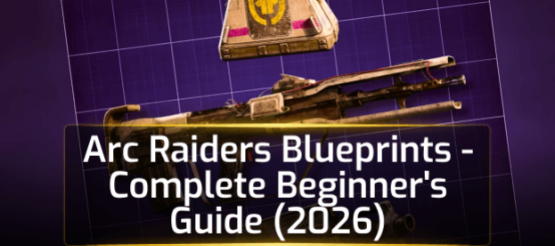

The Blueprints in Arc Raiders can mean life and death for most players. The system itself is simple but you'll still need help completely understanding it.
On this guide, we're going to talk about Arc Raiders Blueprints. From concepts to tips and tricks to max out the system, we've got it all here. By the end of this guide, you'll be able to understand what you need and what it takes to fully get a hand on the system for your character.
For a quick headstart in the game, make sure to check out our Arc Raiders Blueprints for sale. We've got every Blueprint for every need in the game so you don't have to grind too hard.
What Are Arc Raiders Blueprints?

In Arc Raiders, blueprints are the real treasure. Sure, guns, armor, and grenades are nice to find during a raid but they're temporary. Blueprints are different. They're permanent progression. Once you unlock one, it stays with you, and you can craft that item whenever you've got the materials and the right workshop level.
You can think of it in two ways: a weapon you loot is a lucky find and a blueprint is a long-term investment.
That's the big difference between items and blueprint unlocks. A rifle you pull from a cache might carry you through a few runs.
But once it's gone, it's gone. A blueprint, on the other hand, lets you recreate that weapon again and again. As long as you can afford the materials, you're never truly unarmed.
When you learn a blueprint, it permanently unlocks the crafting recipe in your hideout. No timers. No expiration. No “use it or lose it” nonsense. It becomes part of your account progression.
And that's intentional. The game doesn't want you living or dying entirely by loot RNG. Early on, you're scraping together whatever you can find. A mismatched rifle, half a mag of ammo, maybe a grenade if you're lucky. But once you start unlocking blueprints, that chaos turns into structure.
That's where crafting becomes more reliable than scavenging. Mid-game players with a few key blueprints can run consistent loadouts every raid. Meanwhile, players who never focus on blueprints are stuck gambling on whatever they find in containers. Blueprints are the bridge between survival and control.
How the Consume-and-Learn System Works
Blueprints don't unlock automatically. You have to earn them the hard way. First, you find a blueprint item during a raid. It might be tucked inside a locker, sitting in a weapon case, or dropped by an enemy. At that moment, it's just another piece of loot in your inventory.
And just like any other item, you lose it if you die. That's the catch. Blueprints only count if you extract them.
Once you successfully escape, you'll see the blueprint in your inventory. From there, you use the “Learn” option, which consumes the item and permanently unlocks the recipe.
No extraction means no unlock. It's that simple. This creates one of the most intense moments in the game. You find a rare blueprint, and suddenly the entire raid changes. You're not looting anymore, you're escaping. Every footstep sounds louder. Every fight feels riskier.
Step-by-step blueprint unlock flow
- Loot a blueprint during a raid
- Extract successfully
- Open your inventory
- Use the blueprint
- Recipe permanently unlocked
It's a clean system that keeps the tension high. Every blueprint you find has real stakes behind it.
Blueprint Categories Explained
Blueprints aren't just for guns. They cover almost every piece of gear you'll rely on which makes looting all the more essential.
Blueprint Category | What It Unlocks | Examples | Main Benefit | Progression Impact |
Weapon Blueprints | Primary and secondary firearms | Anvil, Aphelion, Bobcat | Access to consistent, craftable weapons | Core combat strength and loadout stability |
Attachment Blueprints | Weapon mods like barrels, grips, stocks, and mags | Silencers, extended magazines, vertical grips | Improves weapon performance and handling | Fine-tunes combat effectiveness |
Grenade Blueprints | Damage and utility grenades | Smoke grenades, seeker grenades, mines | Area control, escape tools, or burst damage | Adds tactical flexibility to fights |
Utility Equipment | Support tools and deployables | Barricade kits, flares, lure devices | Survival, distraction, and positioning advantages | Improves escape potential and team play |
Crafting Parts & Gunparts | Refined materials for other recipes | Light, medium, and heavy gun parts | Enables higher-tier crafting chains | Essential for mid- to late-game progression |
Crafting Parts & Gunparts
Some blueprints don't give you gear at all. Instead, they unlock refined materials like light, medium, or heavy gun parts. These are used across multiple recipes and become essential once you start crafting higher-tier equipment. Think of them as the backbone of the crafting system. Here's a quick table to help you understand it.
Blueprint category comparison
Category | Permanent Unlock? | Requires Workbench? | Progression Impact |
Weapons | Yes | Gunsmith | Core combat upgrades |
Attachments | Yes | Gunsmith | Performance tuning |
Grenades | Yes | Utility/Explosives bench | Tactical versatility |
Utility gear | Yes | Utility bench | Survival and mobility |
Gun parts | Yes | Refiner | Enables higher-tier crafting |
Workshop Requirements – Where You Craft Everything
Your hideout isn't just a menu where you press “craft” and call it a day. In Arc Raiders, crafting is tied directly to your workshop progression. Every blueprint belongs to a specific station, and each station has its own level requirements, material costs, and upgrade path.

If blueprints are the knowledge, workshops are the tools that turn that knowledge into gear. Understanding how each station works and when to upgrade them is key to moving from survival mode into a stable, self-sufficient loadout cycle.
Gunsmith
The Gunsmith is the heart of your offensive power. This station handles everything related to firearms.
Crafted here:
- Primary and secondary weapons
- Weapon attachments
- Performance mods
Most of your early blueprint value will come through the Gunsmith. Unlocking a reliable weapon blueprint means nothing if your Gunsmith level is too low to craft it.
Higher Gunsmith levels unlock:
- Stronger weapon blueprints
- Advanced attachments
- More efficient crafting chains
This station is usually the first major upgrade players invest in, simply because consistent weapons translate directly into better survival rates.
Refiner
The Refiner is where raw materials become usable crafting components. It doesn't produce weapons or gear directly, but it feeds almost every high-tier recipe in the game.
Primary functions:
- Convert simple gun parts into light, medium, or heavy variants
- Create complex components used in advanced blueprints
- Support crafting chains for higher-tier gear
Early on, you might ignore the Refiner because you're mostly crafting basic equipment. But once you start unlocking mid-tier weapons or attachments, the Refiner becomes essential. Many advanced recipes require materials that can only be created here.
Think of it as the backbone of the crafting economy. Without it, your blueprint unlocks can't reach their full potential.
Utility Bench
The Utility Bench covers everything that isn't directly tied to firearms. It focuses on tactical tools, explosives, and support gear.
Crafted here:
- Grenades and mines
- Barricades and deployables
- Lure devices and flares
- Movement or support tools
This station becomes more important as your playstyle evolves. Early raids might be about raw firepower, but later encounters often depend on positioning, crowd control, and escape tools. That's where utility gear shines.
Upgrading the Utility Bench gives you access to stronger grenades and more advanced tactical options.
Level Requirements and Resource Gating
Every blueprint comes with three main crafting requirements:
- A specific workshop (Gunsmith, Refiner, or Utility Bench)
- A minimum workshop level
- A set of required materials
This creates a natural progression curve. Even if you find a powerful blueprint early, you might not be able to craft it immediately. Your workshop has to catch up first.
This system prevents early access to top-tier gear and encourages steady progression instead of sudden power spikes.
Why Upgrading Workshops Matters
Upgrading workshops isn't just about unlocking new recipes. It also:
- Expands your crafting options
- Enables higher-tier materials
- Improves loadout consistency
- Reduces dependence on random loot
Players who neglect workshop upgrades often find themselves stuck. They might own powerful blueprints but lack the infrastructure to use them.
Meanwhile, players who invest in their workshops can turn even basic blueprints into reliable, repeatable kits.
Example Early-Game Progression
Here's what a typical early-game blueprint progression might look like:
- Player finds a basic rifle blueprint during a raid
- Successfully extracts and learns the blueprint
- Returns to hideout and checks Gunsmith requirements
- Realizes the weapon needs Gunsmith level 2
- Gathers materials and upgrades the Gunsmith
- Crafts the rifle consistently before every raid
At this point, the player is no longer dependent on random weapon drops. They've moved from scavenger to planner and that's a huge shift in how the game feels.
Workshop Overview Table
Workshop | Main Purpose | Key Items Crafted | When It Becomes Important |
Gunsmith | Weapons and attachments | Rifles, pistols, stocks, silencers | Early game and onward |
Refiner | Material processing | Gun parts, complex components | Mid-game crafting chains |
Utility Bench | Tactical gear and explosives | Grenades, mines, deployables | Mid to late game survival and control |
In short, blueprints unlock possibilities but workshops make those possibilities real. A strong crafting setup turns rare blueprint finds into reliable, repeatable power, which is exactly what you need to survive the long haul.
Extraction Mechanics and Blueprint Risk
Blueprints only matter if you survive. If you die before extraction (if players or ARC robots get you), the blueprint disappears along with everything else you were carrying. There’s no safety net and no partial credit.
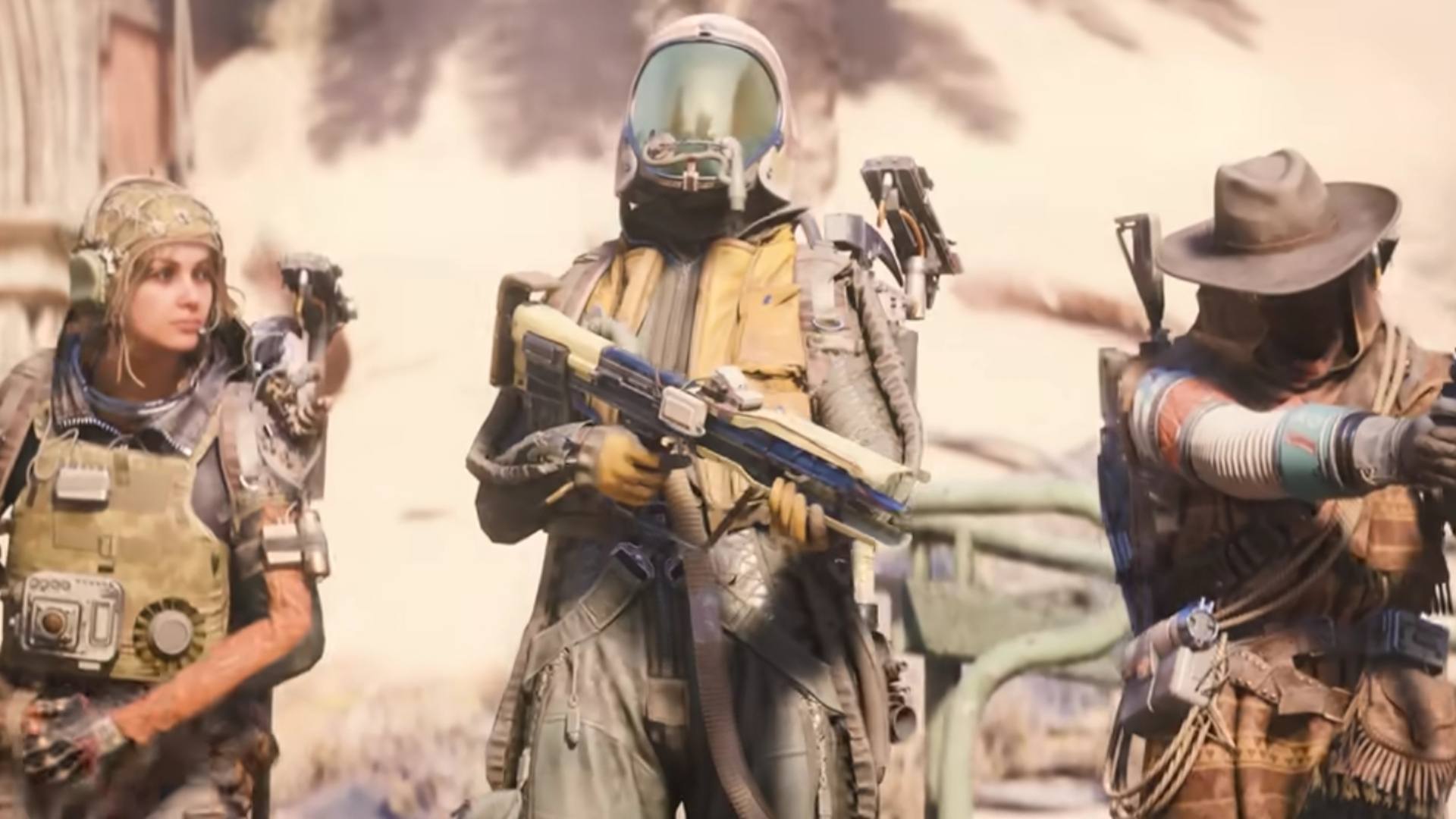
This is what makes blueprint runs so tense. You might enter a raid planning to farm materials, but the moment you pick up a rare blueprint, your priorities flip.
Safe extraction tips for beginners
- Leave early if you find a valuable blueprint
- Avoid unnecessary fights near extraction zones
- Stick to quieter routes instead of high-traffic areas
- Play in squads for extra protection
- Carry smoke grenades or utility tools for emergency escapes
Squads are especially helpful because teammates can cover you, revive you, or scout ahead.
Duplicate Blueprints and Coin System
Eventually, you'll find blueprints you already learned. It happens to everyone. The good news? They're not useless. Duplicate blueprints can be sold for coins. That gives them real economic value, even if they don't unlock anything new.
Coins are used for:
- Buying gear
- Trading with vendors
- Funding upgrades
- Supporting crafting costs
So blueprint farming becomes a reliable way to earn currency. Duplicates might not be exciting, but they're still progress.
Blueprint Rarity & Progression Scaling
Blueprints come in different rarity tiers. As you move up the ladder, everything scales with them.
Higher rarity means:
- Higher crafting costs
- Better performance
- Lower drop chances
You won't be crafting legendary gear every raid. Those blueprints are rare for a reason.
Rarity scaling overview
Rarity Tier | Craft Cost | Power Level | Drop Frequency |
Common | Low | Basic | Frequent |
Uncommon | Moderate | Improved | Moderate |
Rare | High | Strong | Rare |
Legendary | Very high | Top-tier | Very rare |
The gap between tiers can be significant, especially once you reach rare or legendary gear.
Patch 1.12 Changes to Blueprints
Around the 1.12 update period, the blueprint system saw several balancing adjustments.
The main goals were:
- Reducing guaranteed blueprint spawns
- Rebalancing drop rates across containers
- Slowing down access to high-tier gear
Earlier updates had made powerful blueprints too common, which caused players to reach top-tier equipment faster than intended. The changes brought progression back to a steadier pace.
These weren't complete system overhauls—just tuning adjustments to keep the economy and difficulty balanced.
Why Blueprints Matter for Long-Term Progression
Blueprints are the backbone of your long-term success in Arc Raiders.
If you ignore them, your entire loadout depends on luck. One bad raid and you're back to scavenged gear. If you focus on blueprints, you gain consistency. You start each raid with a plan, not a prayer.
Practical comparison
Beginner A: Loot-only approach
- Uses whatever gear is found
- Runs out of good weapons quickly
- Struggles after a few bad raids
Beginner B: Blueprint-focused approach
- Unlocks a basic rifle blueprint early
- Crafts the same reliable kit every raid
- Builds materials and coins steadily
After a few sessions, Beginner B usually has:
- More consistent gear
- Better survival rates
- Faster overall progression
Blueprints Can Save You
At a glance, blueprints might not seem so important but they're easily your best bet at getting stronger in the game. Now, once you've gathered all the blueprints you need, you'll need to learn about Arc Raiders crafting and the workbench next.