


Best Monk Builds in PoE 2: Starter and Endgame Builds
23.08.2025 - 18:04:46
Game Guides , Path of Exile 2


The best Monk builds in PoE 2 are still built around fast melee hits, strong elemental scaling, Power Charge setups, Tempest Bell burst, and high crit investment. In 0.5.0, Monk gets a major new option: Martial Artist, a Monk Ascendancy focused on illusions, bells, rune sockets, glove scaling, and close-range attack setups. Grinding Gear Games describes Martial Artist as the new Monk Ascendancy for Return of the Ancients, with illusions, bells, and rune-based power as its core identity.
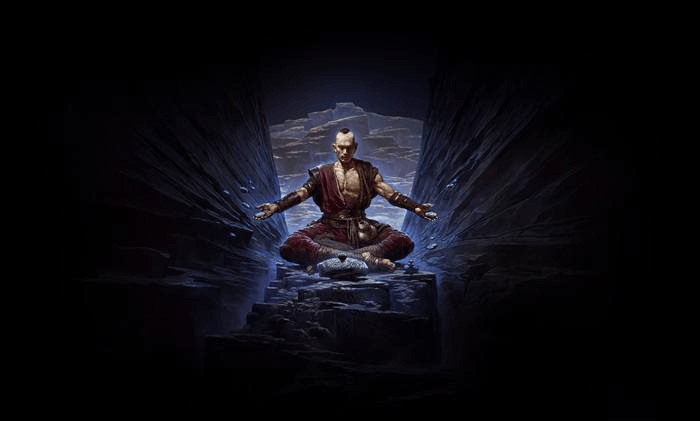
The old Invoker builds are not dead. Ice Strike Invoker, Tempest Flurry Invoker, and Flicker Strike Invoker still make sense if you enjoy quarterstaff combat and elemental scaling. The difference now is that Martial Artist gives Monk players another route, especially for players who want a more physical, crit, or illusion-focused style.
Updated for Return of the Ancients 0.5.0
The biggest Monk change in Return of the Ancients is the arrival of Martial Artist. The old guide was heavily tied to Patch 0.3.0 and The Third Edict, so that framing should be removed from the title, intro, H1, and build notes.
Monk is no longer just an Invoker vs. Acolyte discussion. Martial Artist brings several mechanics that can change how you build and play:
Hollow Form lets you use a channeled meta skill that performs socketed melee attacks through illusions. This has strong potential with attacks like Whirling Assault, Storm Wave, Wave of Frost, and other melee skills that benefit from repeated hits or large area coverage.
Hollow Focus creates bells around you. These bells are always treated as being in Culling Strike range, primed for stun, and guaranteed to take critical hits, which opens up strong bossing and utility setups.
Hollow Resonance puts an illusory bell on your back that sends out a shockwave when you critically strike. This rewards builds that stay in melee range and stack crit chance.
Runic Meridian gives extra rune-only sockets tied to your helmet, body armour, gloves, and boots. This helps patch missing resistances, attributes, or specific rune bonuses without needing every item to be perfect.
Way of the Stone Fist turns your gloves into Fists of Stone and improves their modifiers, making it one of the most interesting nodes for unarmed, Hollow Palm, or glove-scaling setups.
Martial Artist looks very promising early in 0.5.0, but Invoker remains safer for players who want a proven cold/lightning route.
Best Monk Builds in PoE 2 0.5.0
| Build | Ascendancy | Core skill/mechanic | Starter rating | Bossing | Clear speed | Budget | Notes |
| Starter Martial Artist | Martial Artist | Whirling Assault / Hollow Form | Good | Medium | Good | Low-Medium | Best new option to test in 0.5.0 |
| Crit Illusion Martial Artist | Martial Artist | Hollow Resonance + crit hits | Medium | High | Medium | Medium-High | Needs crit gear to feel smooth |
| Endgame Martial Artist | Martial Artist | Hollow Form, bells, rune sockets | Medium | High | High | High | Strong ceiling, still early-meta |
| Ice Strike Invoker | Invoker | Freeze, Tempest Bell, Charged Staff | Great | High | Good | Medium | Safest all-rounder |
| Tempest Flurry Invoker | Invoker | Lightning hits, Electrocute, Power Charges | Good | Medium-High | High | Medium | Fast mapper with solid scaling |
| Flicker Strike Invoker | Invoker | Power Charge teleport attacks | Poor-Medium | High | Very High | High | Fun, expensive, not beginner-friendly |
Martial Artist Builds
Starter Martial Artist Build
The starter Martial Artist build should focus on skills that feel good before expensive gear. Whirling Assault is the cleanest early recommendation because it has good coverage and works naturally with Hollow Form-style illusion play. You want a fast rhythm: hit packs, build combo, trigger bell effects, and use your bigger attacks when rares or bosses survive the first burst.
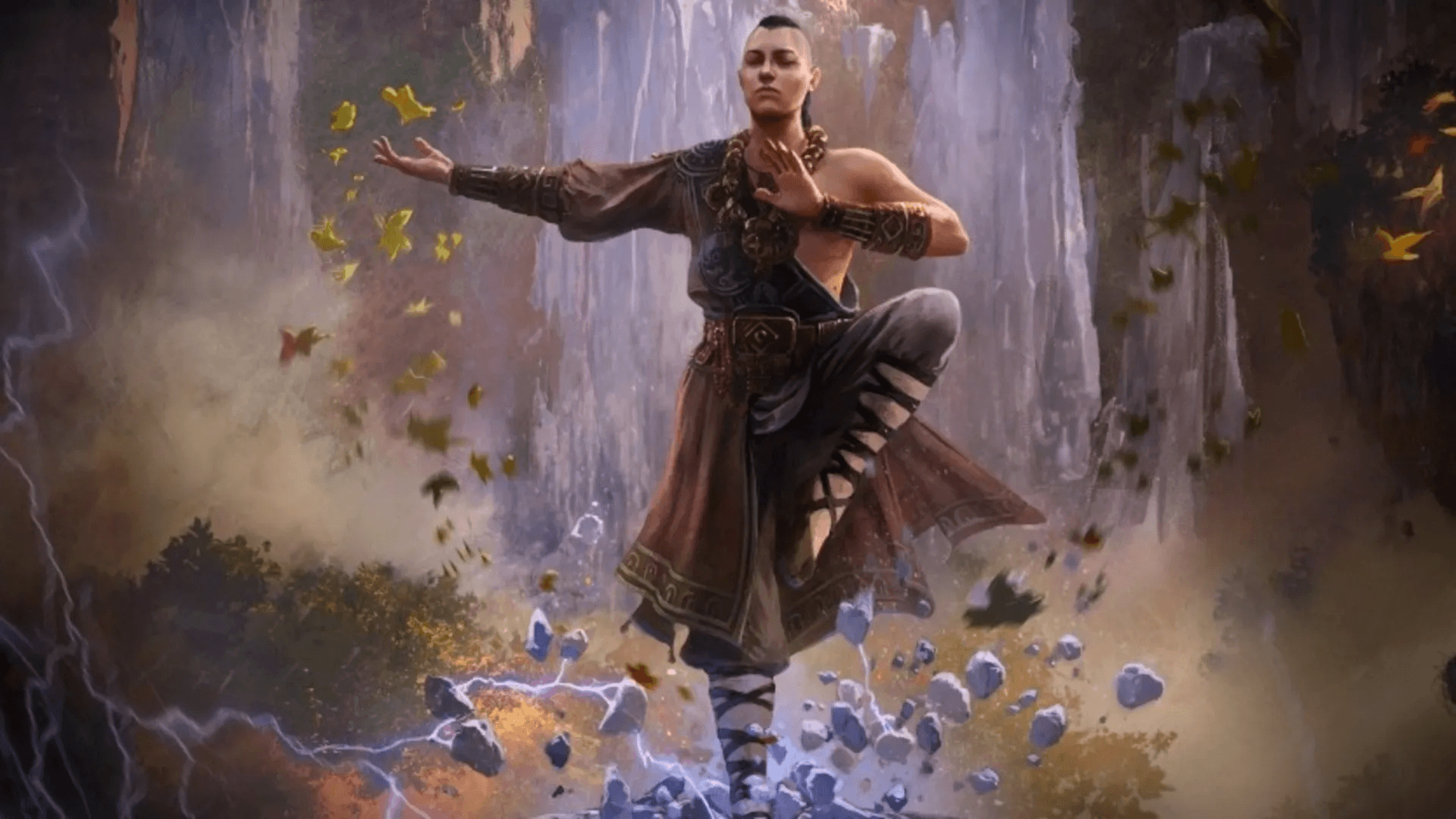
For early gearing, do not chase perfect uniques right away. Get a weapon with strong physical damage, added elemental damage if available, attack speed, and crit chance. If you are using a quarterstaff setup, a good rare staff will carry you farther than a bad unique.
Runic Meridian helps a lot while gearing because extra rune slots can cover weak resistances or missing stats. That means you can keep a high-damage weapon or strong gloves instead of replacing them just to fix attributes.
Recommended early priorities:
- Cap elemental resistances before pushing harder maps.
- Get life or energy shield on gear depending on your defensive route.
- Use Wind Dancer if your evasion is high enough to support it.
- Keep Tempest Bell or Martial Artist bell mechanics ready for bosses.
- Do not channel Hollow Form in unsafe ground effects unless you have room to move.
This is the Martial Artist build most players should try first in 0.5.0.
Crit / Illusion-Focused Martial Artist Build
This version leans harder into Hollow Resonance and critical strikes. The idea is simple: the more often you crit while staying near enemies, the more value you get from the bell shockwave. That makes crit chance, crit damage bonus, attack speed, and cooldown recovery more valuable than they look on paper.
Old Monk guides already stressed crit investment for Invoker builds, and that advice still carries over. Monk has access to crit nodes on the tree, but gear matters. Look for crit chance on your weapon, offensive modifiers on rings, and gloves that work well with Way of the Stone Fist if you are taking that route.
This build is stronger against bosses and tanky rares than a basic starter setup, but it has a clear weakness: it needs better gear before it feels clean. Low crit chance makes Hollow Resonance feel random. Poor defenses make melee uptime risky.
Common mistake: stacking crit damage before crit chance. Big multipliers do nothing if you are not critting often enough.
Endgame Martial Artist Build
The endgame Martial Artist build is where the Ascendancy starts to look scary. You combine Hollow Form, bell mechanics, extra rune sockets, strong gloves, and high-value gear to scale both damage and comfort.
At this stage, your gear should solve three problems:
First, you need enough defenses to stay close. Energy shield, evasion, capped resistances, recovery, and stun control all matter.
Second, you need enough damage to make your bell windows count. Crit chance, crit damage, attack speed, physical damage, and elemental conversion or added damage can all fit depending on your setup.
Third, you need enough sustain. Fast Monk builds often burn mana quickly. Mana gained on kill, mana recovery on jewels, reduced mana cost, and flask solutions still matter, just like they did for older Monk setups.
Existing Monk Builds After 0.5.0
Ice Strike Invoker
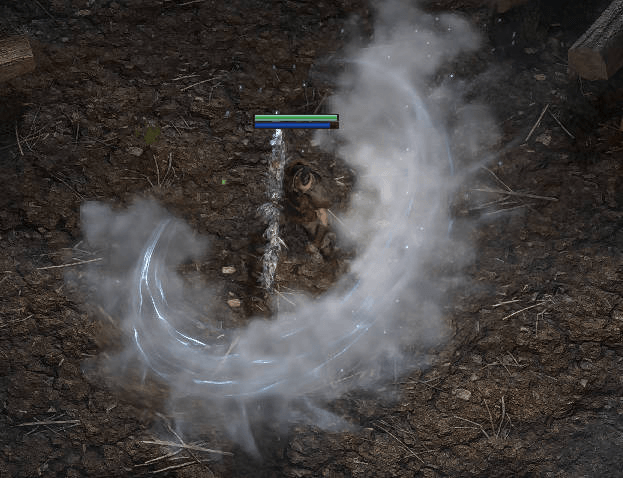
Ice Strike Invoker is still the safest Monk recommendation for most players. The build is a strong freeze-based Monk skill, and that part still holds up for this season. The build freezes enemies, uses Combat Frenzy and Resonance-style charge tech, keeps Charged Staff active, and drops Tempest Bell for burst.
This is the build to pick if you want a proven Monk setup instead of testing fresh Martial Artist tech. It works for campaign progression, mapping, and bosses once you get a good quarterstaff and enough defenses.
Tempest Flurry Invoker
Tempest Flurry Invoker remains a good fast-mapping build. The old version used Tempest Flurry to generate Power Charges, Falling Thunder as a secondary damage skill, Heralds for clear, and a high physical or elemental quarterstaff for scaling. Those concepts still make sense.
The build’s main appeal is speed. The downside is that it can feel worse than Ice Strike against dangerous bosses unless your gear is strong. If you like lightning Monk gameplay and fast combo attacks, this is still worth playing.
Flicker Strike Invoker
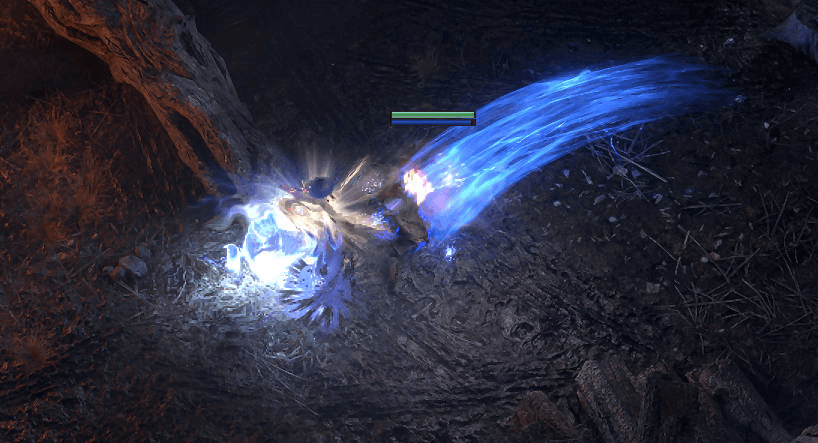
Flicker Strike is still the flashiest Monk build, but it is not the best starter. It needs Power Charge generation, strong damage, good defenses, and enough comfort with its movement style. The old guide already warned that Flicker Strike can feel nauseating because of constant teleporting, and that warning should stay.
Pick Flicker Strike if you already know Monk, have currency, and want a fast clear build. Do not pick it as your first Monk unless you are fine with a rougher gearing curve.
Best Monk Skills to Use in PoE 2 0.5.0
Monk still plays around fast melee attacks, elemental damage, Power Charges, and bell-based burst. The main difference in 0.5.0 is that Martial Artist gives Monk players new ways to scale illusion attacks, crits, bells, glove modifiers, and rune sockets.
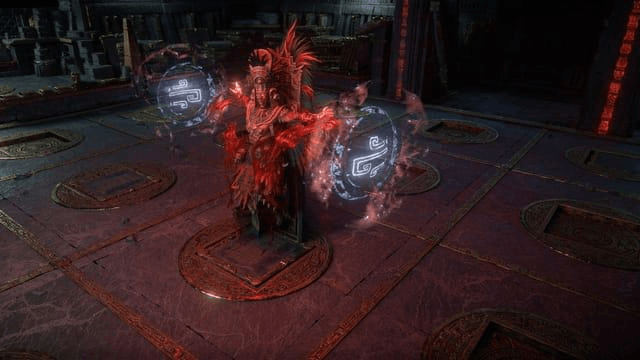
Invoker builds still make heavy use of quarterstaff skills like Ice Strike, Tempest Flurry, Flicker Strike, Tempest Bell, and Charged Staff. Martial Artist builds may use some of those same skills, but they can also lean into Hollow Form, Hollow Focus, and Hollow Resonance depending on the setup.
Tempest Flurry
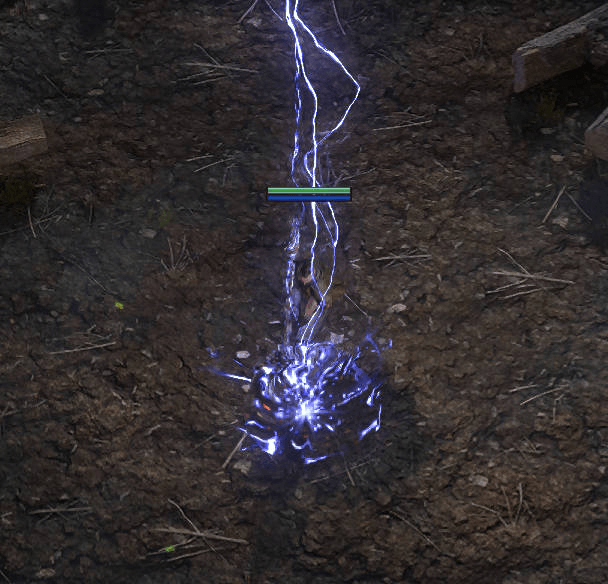
Tempest Flurry is still one of Monk’s better lightning attack options. It starts a four-hit combo, with the final strike calling down a lightning bolt that can Shock enemies. Shock is valuable because affected enemies take increased damage for a short time, which helps against rares, bosses, and tanky magic packs.
Tempest Flurry works best if you like fast, aggressive melee gameplay. It can feel smoother than Flicker Strike on a lower budget because you control your positioning instead of teleporting around the screen.
For Invoker, Tempest Flurry pairs well with Charged Staff, Herald of Thunder, Combat Frenzy, and Tempest Bell. For Martial Artist, it can also work as part of a hit-based setup, though early 0.5.0 testing is still settling which illusion and bell combinations are best.
Flicker Strike
Flicker Strike is the high-speed Monk option. It lets you teleport between monsters and hit them repeatedly, with the number of attacks tied to your Power Charge setup.
The upside is clear speed. A well-geared Flicker Strike Monk can tear through packs quickly, especially once Power Charge generation feels consistent. The downside is control. Flicker Strike can throw you into dangerous ground effects, boss attacks, or awkward map layouts if your damage and defenses are not ready.
This is not the best Monk starter skill. It usually needs better gear, strong charge generation, and enough damage to kill packs before they punish you. If you already have currency and enjoy frantic gameplay, Flicker Strike is still one of the most fun Monk skills in PoE 2.
Ice Strike
Ice Strike remains the safest Monk attack for most players. It hits quickly, scales well, and freezes enemies, giving you extra control while mapping and bossing.
Freeze is the main reason Ice Strike keeps its place in the current Monk meta. It stops many enemies from attacking, casting, or moving, which gives melee builds more room to stay aggressive. That matters a lot because Monk often wants to stay close enough to keep attacking, maintain buffs, and drop Tempest Bell in good positions.
Ice Strike is still the easiest recommendation for players who want a reliable Monk starter build. It works well with Herald of Ice, Charged Staff, Combat Frenzy, Resonance, and Tempest Bell.
Tempest Bell
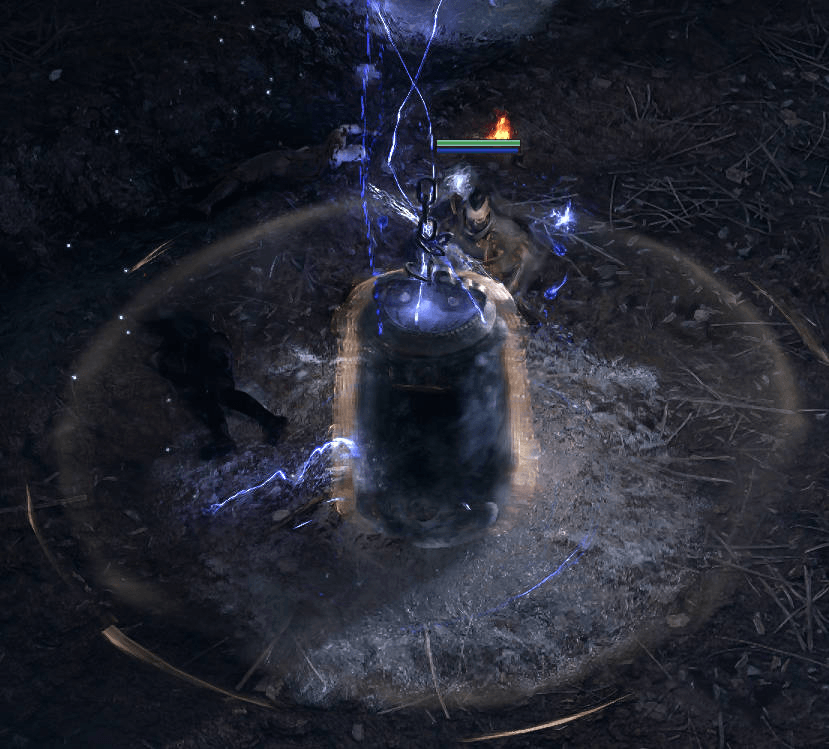
Tempest Bell is still one of Monk’s best burst tools for quarterstaff builds. After you build enough combo with your other attacks, you can drop the bell and hit it to create damaging shockwaves.
The skill is especially good against bosses and rares because it gives Monk a focused damage window. Hit the bell with elemental skills like Ice Strike or Tempest Flurry and the shockwaves can hit hard even before your gear is perfect.
Tempest Bell is not always used the same way on Martial Artist because Martial Artist has its own bell-related Ascendancy tools. Still, the basic idea stays the same: bells reward good timing, close-range uptime, and strong hit scaling.
Charged Staff
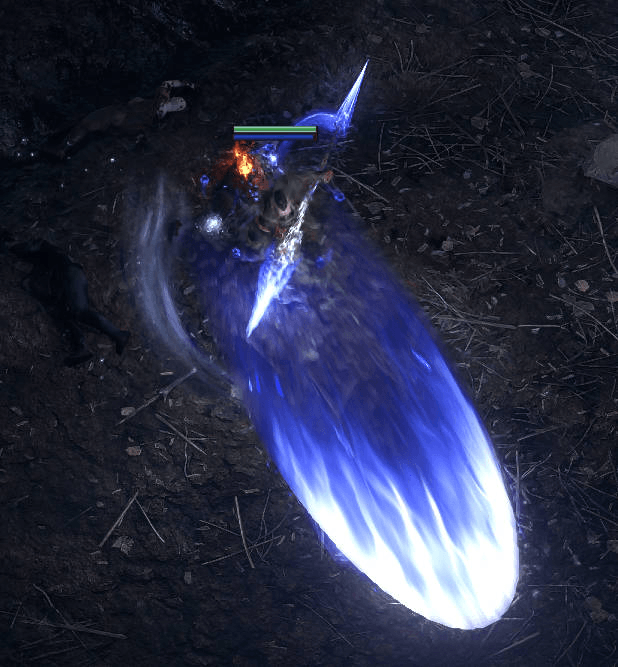
Charged Staff is still a core buff for many quarterstaff Monk builds. It adds lightning damage to your weapon and lets your attacks release lightning shockwaves while the buff is active.
The catch is that Charged Staff needs Power Charges, so your build has to generate them consistently. That is why many older Invoker setups used Combat Frenzy with the Resonance keystone. Once that engine works, Charged Staff adds a lot of damage and helps even non-lightning attacks like Ice Strike.
For Martial Artist, Charged Staff may still be useful in quarterstaff versions, but it is not automatically required for every setup. Some Martial Artist builds may care more about illusions, Hollow Resonance, or glove scaling.
Combat Frenzy
Combat Frenzy is useful because it helps Monk generate charges through Freeze or Electrocute setups. On its own, it gives Frenzy Charges. With the Resonance keystone, those Frenzy Charges become Power Charges instead.
That interaction is still important for builds that need Power Charges for Charged Staff or Flicker Strike. Ice Strike naturally supports the freeze side of the setup, while Tempest Flurry and lightning-heavy builds can lean toward Electrocute.
Do not add Combat Frenzy just because old Monk builds used it. Add it when your build actually needs the charge engine.
Wind Dancer
Wind Dancer remains a strong defensive buff for evasion-based Monk builds. It gives more evasion per stack, which helps while mapping and during early gearing.
This is especially useful if you do not have enough currency for high-end defensive gear yet. Quality on the gem is still worth considering because extra stacks make the buff feel much better.
The mistake to avoid is treating Wind Dancer as your only defense. You still need capped resistances, enough life or energy shield, and smart positioning. Evasion helps a lot, but it will not save a weak character from every boss slam or ground effect.
Herald of Thunder
Herald of Thunder is still useful for lightning Monk builds and hybrid elemental setups. When active, it can call down lightning bolts after you kill Shocked enemies, helping with clear.
Tempest Flurry, Charged Staff, flat lightning damage on your quarterstaff, and other lightning modifiers can all help make Herald of Thunder more consistent. It is best on builds that already Shock often. If your build barely shocks, the reservation may be better spent elsewhere.
Herald of Ice
Herald of Ice is still a great fit for Ice Strike Monk. When you shatter enemies with attacks, Herald of Ice creates icy explosions that improve pack clear.
This is one reason Ice Strike feels so smooth while mapping. Freeze gives safety, and Herald of Ice turns shattered enemies into chain clear. If you are playing an Ice Strike Invoker, this is one of the easiest buffs to justify.
Polcirkeln can still help if your setup wants more consistent shatter-based explosions, but avoid making it sound mandatory. A strong rare ring may be better depending on resistances, attributes, and damage needs.
Hollow Form
Hollow Form is one of the big reasons to try Martial Artist in 0.5.0. It creates illusion-based melee gameplay and can support attacks that benefit from repeated hits or wide coverage.
Hollow Focus
Hollow Focus gives Martial Artist a bell-focused identity separate from traditional Tempest Bell setups. It creates bells around you and supports close-range burst windows.
Use this if you want Martial Artist to feel different from Invoker. Instead of only relying on the standard quarterstaff bell rotation, Hollow Focus gives you another way to build around bells and melee uptime.
Hollow Resonance
Hollow Resonance is the crit-focused Martial Artist option. It rewards you for landing critical strikes by creating bell shockwaves.
This is not something you should build around with poor crit chance. Get your crit chance stable first, then scale crit damage. Hollow Resonance should feel consistent, not like a random bonus that only happens once in a while.
Which Monk Build Should You Play?
For a beginner, play Ice Strike Invoker. It has the best mix of safety, freeze control, boss damage, and gearing flexibility.
For the new 0.5.0 experience, play Starter Martial Artist. It lets you try Hollow Form, bells, and rune sockets without committing to an expensive endgame plan too early.
For fast clearing, play Tempest Flurry Invoker or Flicker Strike Invoker. Tempest Flurry is smoother on a lower budget. Flicker Strike is faster when geared, but harder to control.
For bossing, play Ice Strike Invoker or a Crit Martial Artist setup. Ice Strike is more tested. Martial Artist has a higher theorycraft ceiling but needs more live testing.
For high-investment play, go Endgame Martial Artist, attribute-stacking Tempest Flurry, or endgame Ice Strike with HoWA and Ingenuity. These builds scale hard, but the cost ramps quickly.
Best Monk Builds in PoE 2 0.5.0 Tips
How to Sustain Mana
Mana sustain is still one of the most common Monk problems. Fast attacks feel great until you run dry during a rare pack or boss phase.
Use mana gained on kill where possible. Sapphire jewels with mana recovery can help while mapping. Reduced mana cost nodes are fine while leveling, even if you refund them later. If your build attacks extremely fast, flask support or better mana rolls on gear may be needed.
When to Transition to Chaos Inoculation
Do not rush Chaos Inoculation. CI is strong when your energy shield pool is ready, but awful when your gear is weak. Move into CI only when your body armour, helmet, boots, and passive tree give you enough ES to survive burst damage.
If you are still dying to basic map hits, stay hybrid for longer.
Raise Critical Strike Chance
Crit is a big part of many Monk builds, especially Invoker and Martial Artist setups. Get crit chance first, then scale crit damage. This matters even more for Hollow Resonance because the bell shockwave depends on critical hits.
Need Items or Currency for Your Monk Build?
Monk builds can get expensive once you start chasing high-end quarterstaves, strong gloves, Breach Rings, quality gems, and endgame Energy Shield gear. If you already know which Monk setup you want to play, compare PoE 2 Currency and item upgrades after prioritizing resistances, sustain, and your core damage setup.
Use it to finish a build faster, not to cover up a bad setup. A well-planned Monk with modest gear will always feel better than an expensive build with poor mana sustain, uncapped resistances, or no defensive plan.
FAQ
What is the best Monk build in PoE 2 0.5.0?
Ice Strike Invoker is still the safest overall pick. Martial Artist may become the strongest Monk option after more 0.5.0 testing, especially for players building around Hollow Form, Hollow Resonance, and rune sockets.
Is Martial Artist good in Return of the Ancients?
Yes, early signs are good. Martial Artist has strong tools for melee scaling, crit setups, illusion attacks, bells, and rune-based gearing. Just avoid treating it as fully solved yet.
What is the best Monk starter build?
Ice Strike Invoker is the safest starter. Starter Martial Artist is the best pick if you want to play the new 0.5.0 Ascendancy right away.
Should I switch from older Monk builds to Martial Artist?
Switch if you want to test the new Ascendancy mechanics or build around illusions and bells. Stay Invoker if your current Ice Strike, Tempest Flurry, or Flicker Strike setup is already clearing content well.
Master The Monk This Season
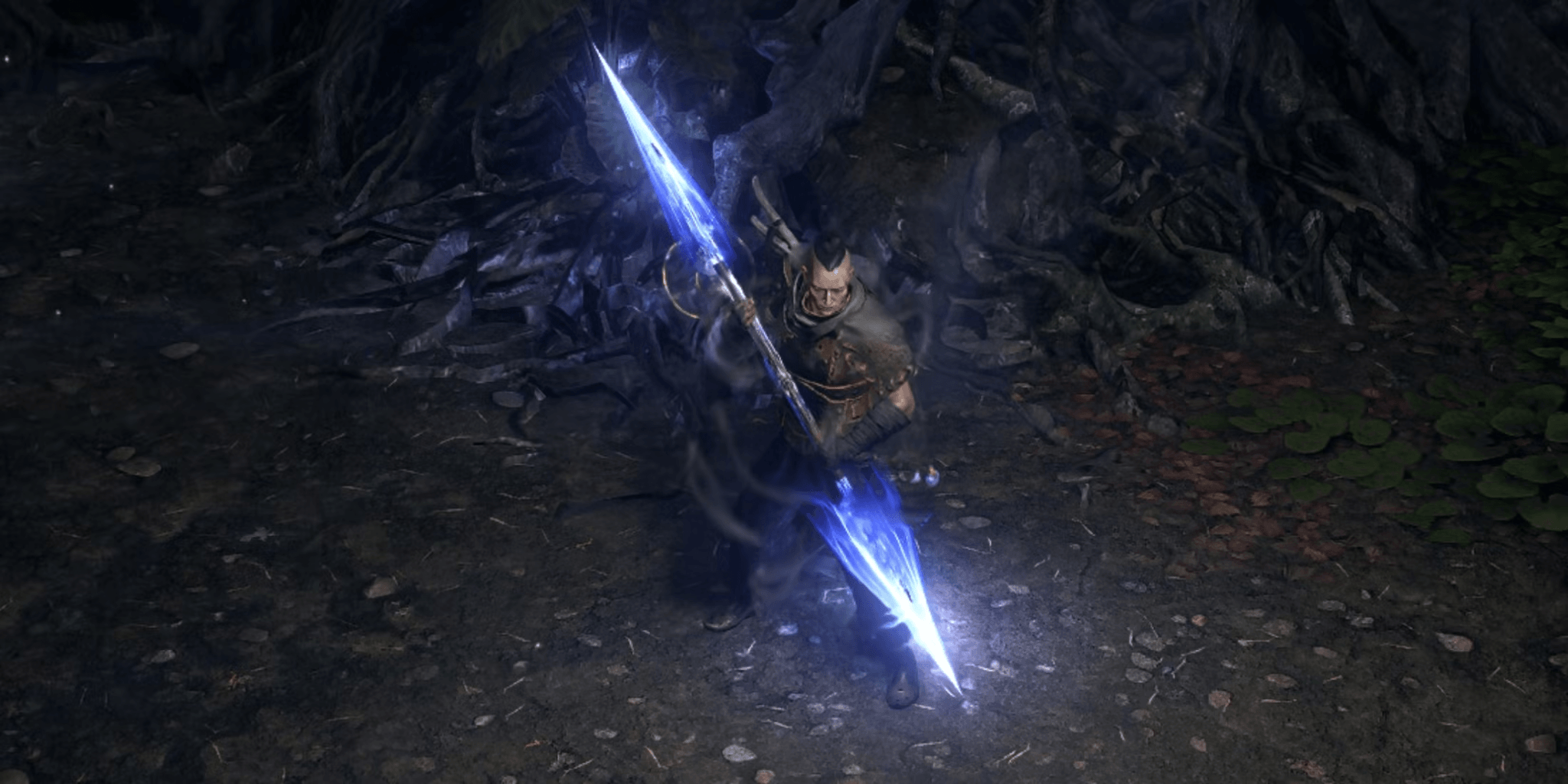
Monk has more build variety in PoE 2 0.5.0 thanks to the new Ascendancy, but Ice Strike Invoker remains the safest all-around pick. Tempest Flurry suits fast mapping, Flicker Strike favors high investment, and Martial Artist is best for players who want to test new illusion, Bell, rune, and unarmed mechanics. Return of the Ancients adds enough new systems that Monk players should keep checking live build data before committing expensive gear or currency.