


Diablo 4: Gold Farming Guide
02.08.2023 - 12:27:34
Diablo 4 , Game Guides , Gameplay Guides


The best way to farm gold in Diablo 4 is to combine high-loot activities, item selling, Whispers, endgame farming, and current seasonal systems. In Season of Reckoning, War Plans, Helltides, Infernal Hordes, and Whispers are some of the strongest options because they generate a constant flow of loot that can be sold for large amounts of gold.
The good news is that making gold in Diablo 4 is a lot easier than it was at launch.

Back in the early seasons, players spent hours repeating the same dungeon over and over because there weren't many alternatives. Season of Reckoning looks very different. Most of the best gold farms now come from activities you'd already be running for gear, boss materials, and progression.
That's why the best gold farming strategy isn't hunting for a magical "gold dungeon." It's stacking rewards.
One thing to keep in mind before following any farming route: gold farming efficiency changes every season. A method that was amazing six months ago might not even be worth touching today. Treat old gold-per-hour claims with caution unless they've been tested in Season of Reckoning.
If you’re already plowing through demons with the right Diablo 4 leveling builds, you may as well start earning more gold along the way.
Best Diablo 4 Gold Farming Methods
If you’re pressed for time, here’s a quick table for reference.
| Method | Best For | Why It Works |
|---|---|---|
| Whispers | Reliable income | Whispers reward you with caches that contain gold, gear, crafting materials, and other resources. The biggest advantage is that you can complete Whisper objectives while doing other activities, allowing you to earn gold without going out of your way to farm it. |
| Helltides | Loot farming | Helltides generate huge amounts of gear, crafting materials, boss summoning resources, and experience. Most of your gold comes from selling the large volume of loot you collect rather than from direct gold drops. |
| Infernal Hordes | Endgame farming | The high monster density means more loot, more materials, and more rewards in a short period of time. Strong builds can clear waves quickly and walk away with inventories full of items that can be sold or used elsewhere. |
| War Plans | Efficient progression | War Plans chain together several rewarding activities into a single progression path. Instead of choosing between farming gold, boss materials, or gear, you're often collecting all three at the same time, which improves overall efficiency. |
| Lair Bosses | Valuable drops | Lair Bosses can drop sought-after Uniques, crafting materials, and progression items. While they aren't direct gold farms, they provide valuable loot that supports your overall farming strategy and reduces the need to spend gold elsewhere. |
| Selling Loot | Direct gold | This is still the most straightforward way to build your gold reserves. Endgame activities generate far more gear than you'll ever use, and selling unwanted rares and legendaries can produce millions of gold over time. |
One thing a lot of players get wrong is treating gold farming like it's a completely separate grind.
In reality, the people sitting on hundreds of millions of gold usually aren't running some secret gold route. They're doing content they'd be running anyway, Helltides, Whispers, Infernal Hordes, boss farming, and seasonal activities. The difference is that they're constantly bringing in loot, materials, and rewards, then selling whatever they don't need.
Best Gold Farming Route in Diablo 4 Right Now
If you want a simple route that works for most builds, follow this order:
- Pick up active Tree of Whispers objectives.
- Run Helltides that overlap with Whisper progress.
- Turn in Grim Favors and open Whisper Caches.
- Complete available War Plans.
- Run Infernal Hordes when available.
- Use materials to challenge Lair Bosses.
- Sell unwanted loot instead of salvaging everything.
This route works because you're stacking multiple reward systems together.
Every activity contributes toward another objective. You're collecting gear, materials, boss resources, seasonal rewards, and gold at the same time instead of farming each one separately.
What Changed Since the Old Gold Farming Guide?
Diablo 4 launched back in 2023. Two expansions and 13 seasons later, the playing field has definitely changed when it comes to gold farming.
Back then, players often focused on specific dungeon routes, elite farming spots, and repetitive grinding loops. Some of those methods worked well at the time, but many are no longer competitive compared to modern endgame activities.
The current version of Diablo 4 has a much deeper endgame structure.
You now have systems like:
- War Plans
- Infernal Hordes
- Expanded Helltides
- Lair Bosses
- Kurast Undercity activities
- Seasonal mechanics tied into endgame progression
Because of these additions, gold farming is less about running a single dungeon repeatedly and more about moving through interconnected activities that produce consistent loot.
That's why older guides recommending one dungeon for hours at a time should be treated carefully. Even if those routes were excellent in previous seasons, they may not be the best use of your time today.
Whispers and Caches
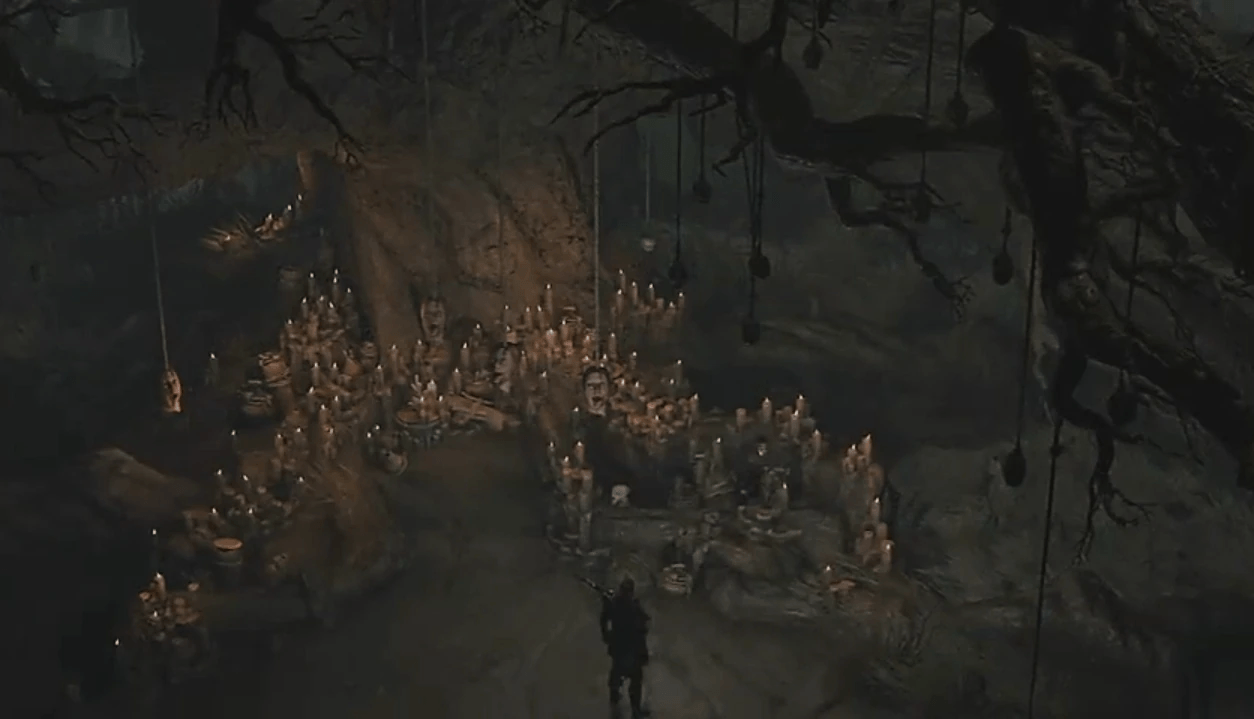
Tree of Whispers objectives remain one of the most reliable ways to earn gold. They aren't always the flashiest activity, but they're consistent.
As you complete Grim Favor objectives throughout Sanctuary, you'll eventually earn a cache from the Tree of Whispers. These caches contain a mix of rewards that often include gold, gear, materials, and other useful resources.
The real strength of Whispers is flexibility.
You rarely need to go out of your way to complete them. Many activities naturally contribute toward Grim Favor progress, including:
- Helltides
- Dungeons
- Seasonal content
- Boss-related activities
- Certain War Plan objectives
That means you can earn Whisper rewards while farming something else.
A lot of players make the mistake of ignoring Whispers because the rewards don't look impressive individually. Over time, though, the caches add up and provide a steady stream of gold alongside other valuable resources.
If you're looking for dependable income rather than gambling on rare drops, Whispers should be part of your regular routine.
Helltides and High-Loot Farming
Helltides remain one of the strongest activities for generating gold. Not because enemies drop huge piles of gold directly. Because they drop enormous amounts of loot. Having classes that clear easily like the Warlock is perfect for Helltide.
A successful Helltide session fills your inventory quickly with rares, legendaries, materials, boss resources, and other valuable items. Once you've kept what you need, the remaining equipment can be sold for a substantial amount of gold.
This is where many players lose efficiency. They salvage everything automatically.
Salvaging certainly has value, especially when you're short on crafting materials. But if your gold reserves are running low, selling gear is often the smarter choice.
When running Helltides, focus on:
- High enemy density areas
- Event clusters
- Elite packs
- Whisper objectives inside the Helltide zone
- Resource collection for future boss runs
This creates multiple reward streams from a single activity. Another reason Helltides are so valuable is that they contribute to other parts of your progression. You're not just farming gold. You're also collecting materials needed for future content.
That makes them one of the most efficient uses of your time in the game.
War Plans and Endgame Gold Farming
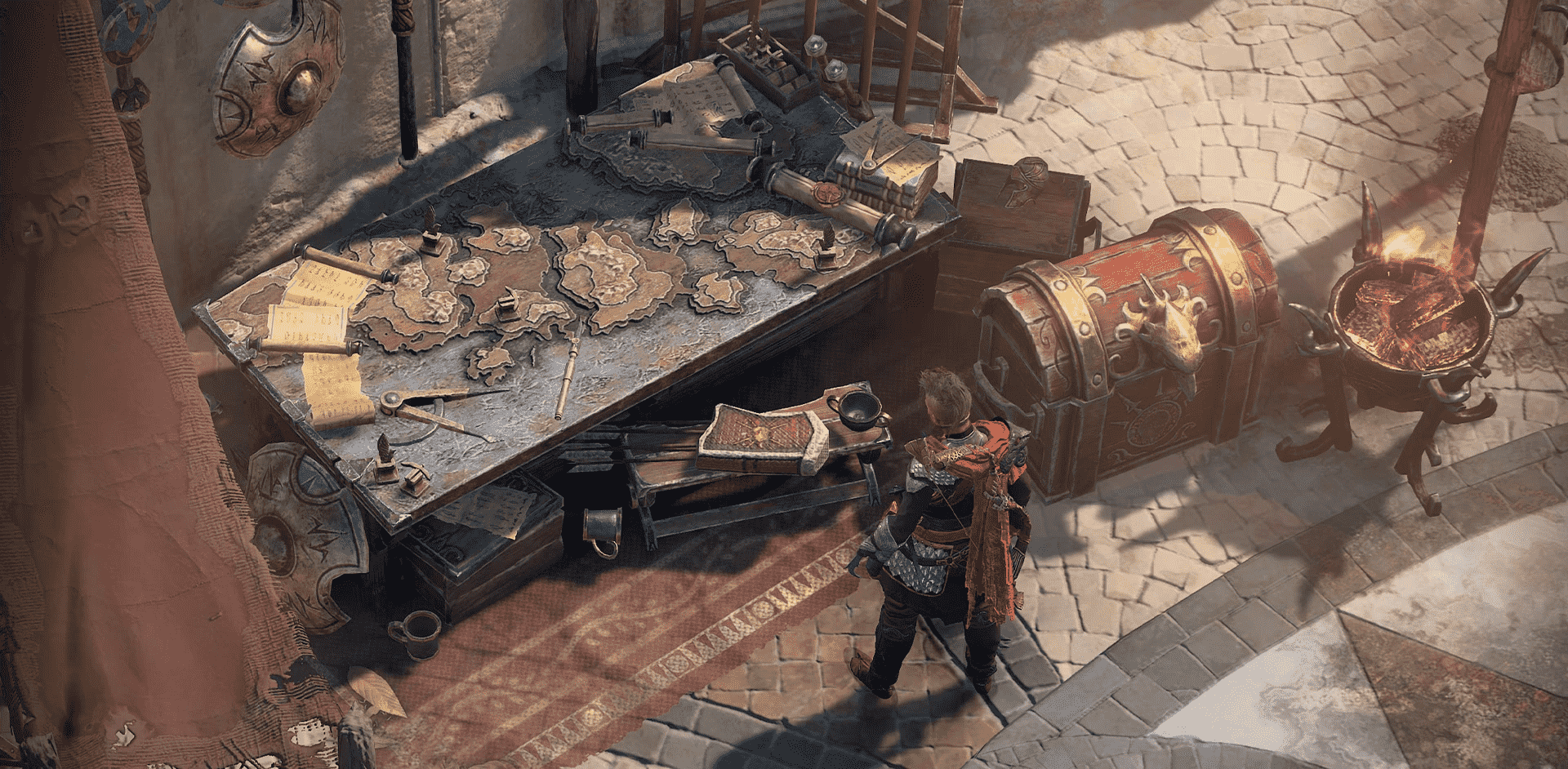
War Plans are one of the biggest gamechangers when it comes to gold farming. This system allows players to chain together multiple endgame activities into a structured progression path.
Depending on the War Plan, you may find yourself running:
- Helltides
- Infernal Hordes
- Nightmare Dungeons
- Kurast Undercity
- Lair Bosses
- Other endgame activities
The exact rewards can change with balance updates, which is why players should always verify current patch performance before committing to a specific route.
That said, War Plans naturally support gold farming because they encourage continuous gameplay without downtime.
You're constantly moving between rewarding activities instead of sitting in town deciding what to do next.
That leads to:
- More loot
- More boss materials
- More crafting resources
- More sellable gear
- More overall efficiency
If you're already participating in Season of Reckoning content, War Plans should be part of your gold farming strategy.
Even when the direct gold rewards aren't exceptional, the amount of loot generated throughout a War Plan often makes the activity worthwhile.
Infernal Hordes
Infernal Hordes continue to be one of the better endgame activities for players who can clear enemies quickly. The reason is simple.
Enemy density. More enemies generally means more drops, more materials, and more opportunities to fill your inventory with items that can be sold.
Your results will vary depending on:
- Build strength
- Difficulty level
- Seasonal balance changes
- Current reward structure
Still, Infernal Hordes consistently produce enough loot to remain relevant for gold farming.
Fast-clearing Diablo 4 endgame builds benefit the most. Classes that can wipe out large groups of enemies quickly tend to see much better returns because they spend less time fighting and more time collecting rewards.
Lair Bosses and the Boss Economy
Lair Bosses aren't traditional gold farms. You won't kill a boss and watch millions of gold fall onto the ground.
What makes them valuable is the economy surrounding their drops.
Many boss encounters provide:
- Unique items
- Crafting materials
- Summoning materials
- Endgame progression resources
The value of these rewards changes throughout a season.
Some drops become highly desirable because they're required for popular builds. Others gain value due to crafting demand or seasonal mechanics.
Because of that, Lair Bosses are often better viewed as part of a larger farming strategy.
Run Helltides. Collect materials. Complete Whispers. Gather resources. Challenge bosses. Sell excess items. The gold comes from the entire process rather than the boss kill itself.
If you're farming gold, Lair Bosses are worth running because they feed into the entire endgame economy. Even when a boss doesn't drop a direct upgrade, you're still collecting Uniques, crafting materials, boss keys, and other rewards that can save you gold or support your next farming session. The table below shows the current Lair Boss progression in Season of Reckoning.
| Boss | Requirements | Possible Drops |
|---|---|---|
| Varshan | 1 Lair Key, Torment I+ | Boss-specific Uniques, Ancestral gear, Greater Lair Key |
| Grigoire | 1 Lair Key, Torment I+ | Boss-specific Uniques, Ancestral gear, Greater Lair Key |
| Beast in the Ice | 1 Lair Key, Torment I+ | Boss-specific Uniques, Ancestral gear, Greater Lair Key |
| Lord Zir | 1 Lair Key, Torment I+ | Boss-specific Uniques, Ancestral gear, Greater Lair Key |
| Urivar | 1 Lair Key, Torment I+ | Boss-specific Uniques, Ancestral gear, Greater Lair Key |
| Duriel | 1 Greater Lair Key | Higher chance at Mythic Uniques, boss-specific Uniques, Ancestral gear |
| Andariel | 1 Greater Lair Key | Higher chance at Mythic Uniques, boss-specific Uniques, Ancestral gear |
| Harbinger of Hatred | 1 Greater Lair Key | Higher chance at Mythic Uniques, boss-specific Uniques, Ancestral gear |
| Bloody Butcher | 1 Greater Lair Key | Higher chance at Mythic Uniques, boss-specific Uniques, Ancestral gear |
| Belial | 2 Betrayer's Husks | Exalted-tier loot, boss-specific Uniques, Mythic Unique chance |
| Mephisto | 1 Crux of the False Prophet | Exalted-tier loot, Mythic Uniques, endgame-exclusive rewards |
Selling Items vs Salvaging
One of the easiest ways to improve your gold income is knowing when to sell gear and when to salvage it.
A lot of players get into the habit of salvaging everything they pick up because that's what makes sense early on. The blacksmith is your best friend while you're leveling, and crafting materials are often harder to find than gold.
Once you get deeper into the endgame, though, that changes.
Masterworking, enchanting, resetting affixes, and upgrading gear can burn through millions of gold surprisingly fast. If you've ever spent 20 million gold chasing one perfect affix at the Occultist, you already know how expensive Diablo 4 can get.
That's why selling gear becomes increasingly important as your character progresses.
Sell Gear When You're Running Low on Gold
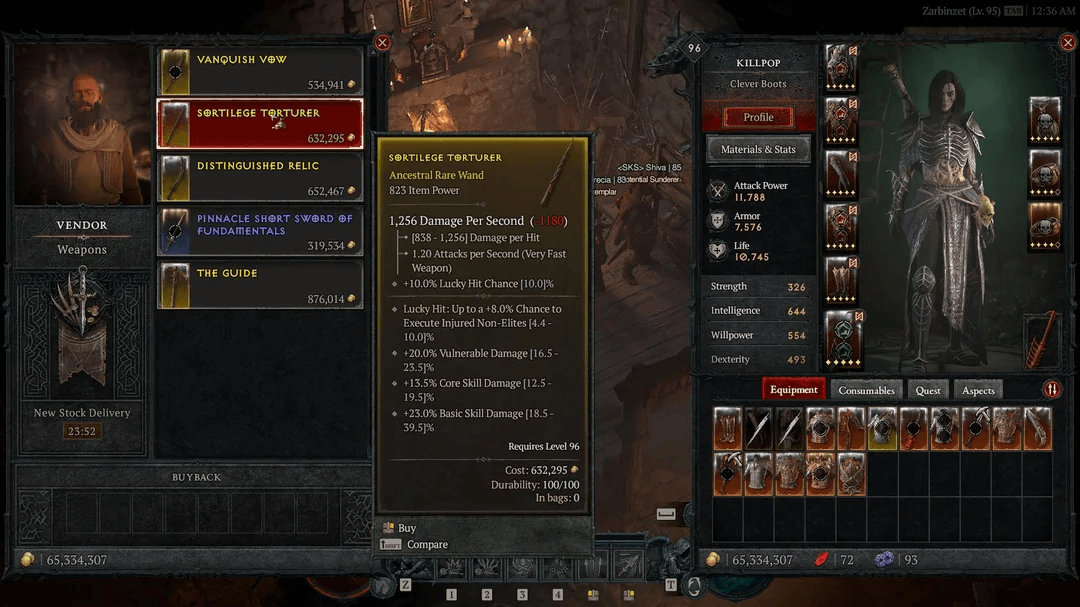
If gold is slowing down your progression, selling gear is usually the right call.
Consider selling more items when:
- Masterworking costs are eating through your savings
- You're spending heavily at the Occultist
- You have a healthy stockpile of crafting materials
- You're preparing for a major gear upgrade
- You regularly drop below your preferred gold reserve
Many endgame activities generate far more loot than you'll ever use. Selling unwanted rares and legendaries can generate millions of gold over time, especially during long Helltide or Infernal Horde sessions.
If your stash is overflowing with materials but your wallet is empty, it's probably time to start selling.
Salvage Gear When Materials Are Holding You Back
There are still plenty of situations where salvaging makes more sense.
You should prioritize salvaging when:
- You're short on crafting materials
- You're actively Masterworking new gear
- You're gearing multiple characters
- You're preparing for future upgrades
- Gold isn't currently a problem
Materials like Rawhide, Iron Chunks, Obducite, and other crafting resources can become bottlenecks depending on what you're working on. Salvaging helps maintain a healthy supply so you're not forced to stop upgrading when you finally find a great item.
Your Priorities Change Throughout the Season
The biggest mistake players make is sticking with the same strategy all season long. Early in a season, salvaging almost everything is usually the better option. You're constantly replacing gear, unlocking aspects, and building up your material reserves.
Once your character is established, the balance often shifts.
At that point, you'll likely have thousands of materials sitting in your inventory while gold becomes the resource you're always running out of. That's usually when selling starts providing more value than salvaging.
A Simple Rule to Follow
If you're unsure what to do, ask yourself one question: What's stopping your character from progressing right now?
If the answer is gold, sell more gear. If the answer is crafting materials, salvage more gear. The best players don't automatically sell everything or salvage everything. They adjust based on what their account actually needs at that moment, and that flexibility usually leads to much better results over the course of a season.
Common Gold Farming Mistakes
Following Outdated Routes
Just because a gold farm worked a few seasons ago doesn't mean it's still worth doing today. Diablo 4 changes a lot from season to season, so it's always worth checking if a farming method is still relevant before spending hours on it.
Believing Exact Gold-Per-Hour Claims
Be careful with guides that promise a specific amount of gold per hour. Your results depend on your build, gear, difficulty level, and the current season. Use those numbers as a rough reference, not a guarantee.
Selling Important Gear
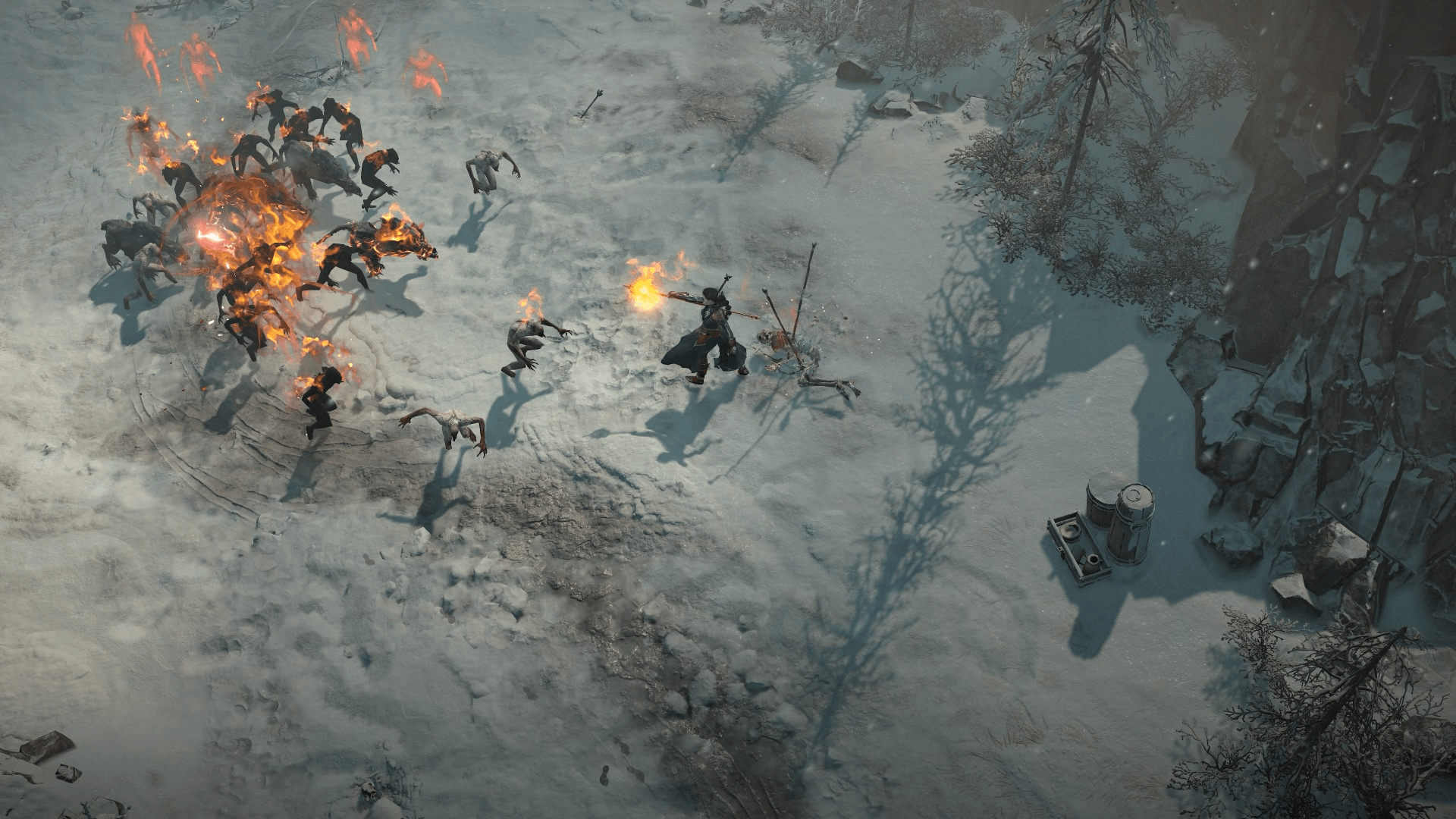
It's easy to get carried away when clearing out your inventory. Before you sell everything, take a quick look through your drops. Accidentally selling a useful upgrade can hurt a lot more than the extra gold helps.
Ignoring Material Value
Gold is important, but so are crafting materials. Selling every item you find isn't always the best move, especially if you're planning to Masterwork or upgrade gear later.
Farming Content That's Too Difficult
Higher difficulty doesn't automatically mean better results. If you're taking too long to clear enemies or struggling to stay alive, you'll often earn more by dropping down a level and farming faster. Efficient clears usually beat slow ones.
Need Gold Without the Grind?
Gold has a habit of disappearing fast in Diablo 4. Between Masterworking, enchanting, and other endgame upgrades, it's easy to burn through your savings. If you'd rather spend more time playing and less time farming, RPGStash offers Diablo 4 Gold, Diablo 4 Services, and Diablo 4 Craft Materials to help you get back to the content you actually want to run.
FAQ
What is the fastest way to farm gold in Diablo 4?
The fastest method is usually a combination of Helltides, Whispers, War Plans, and selling excess loot. Activities that generate large amounts of gear tend to outperform dedicated gold-only farms.
Should I sell or salvage gear?
Sell gear when gold is your bottleneck. Salvage gear when you need crafting materials. The correct choice depends on your current progression needs.
Are Helltides good for gold farming?
Yes. Helltides generate large amounts of loot that can be sold for gold while also providing materials and resources for other activities.
Can War Plans help with gold farming?
Yes. War Plans chain together multiple endgame activities, creating a steady flow of loot, materials, and rewards that contribute to overall gold income.
Is the old Diablo 4 gold farming guide still accurate?
Only partially. Some core principles still apply, but many launch-era dungeon routes and older seasonal methods are no longer among the best options available.
What activity gives the most consistent gold?
Whispers are generally the most consistent option because they provide steady rewards and fit naturally into other activities you're already running.
Gold farming in Diablo 4 works best when you stop thinking about gold as a standalone resource. The players with the largest gold reserves usually aren't chasing dedicated gold farms. They're running efficient endgame content, selling excess loot, and stacking multiple reward systems at the same time.
Focus on Helltides, Whispers, War Plans, Infernal Hordes, and Lair Bosses. Keep an eye on seasonal balance changes, avoid outdated routes, and you'll have a much easier time keeping your gold reserves healthy throughout Season of Reckoning.
